
Not long ago, overnight masks occupied a relatively small corner of the skincare world.
They existed, but rarely dominated conversations. Most attention went to serums, exfoliants, and active ingredients promising visible transformation. Sleeping masks were often viewed as optional extras—something used occasionally for hydration rather than an essential part of a routine.
Today, the situation looks very different.
From collagen masks and hydrogel treatments to barrier-repair formulas and overnight wraps, beauty brands are investing heavily in products designed to work while you sleep. Social media is filled with videos showing masks applied before bed and removed the next morning, often revealing noticeably smoother, glowier-looking skin.
The question is: why now?
The beauty industry has discovered “sleeping skin”
Part of the answer lies in how skincare is being marketed.
For years, beauty focused on instant results. Products promised immediate brightness, quick hydration, or visible improvement after a single application.
Overnight masks tell a different story.
Rather than emphasizing speed, they focus on recovery. The message is simple: while you sleep, your skin enters one of its most important restorative periods. Overnight products position themselves as companions to that process, helping the skin retain moisture, support its barrier, and wake up looking refreshed.
Whether every product can truly deliver dramatic overnight results is open to debate. However, the idea itself is appealing because it feels effortless. Apply a product before bed, go to sleep, and wake up to healthier-looking skin.
It is easy to see why consumers are drawn to that promise.
From hydration to collagen-focused treatments
The category itself has evolved significantly.
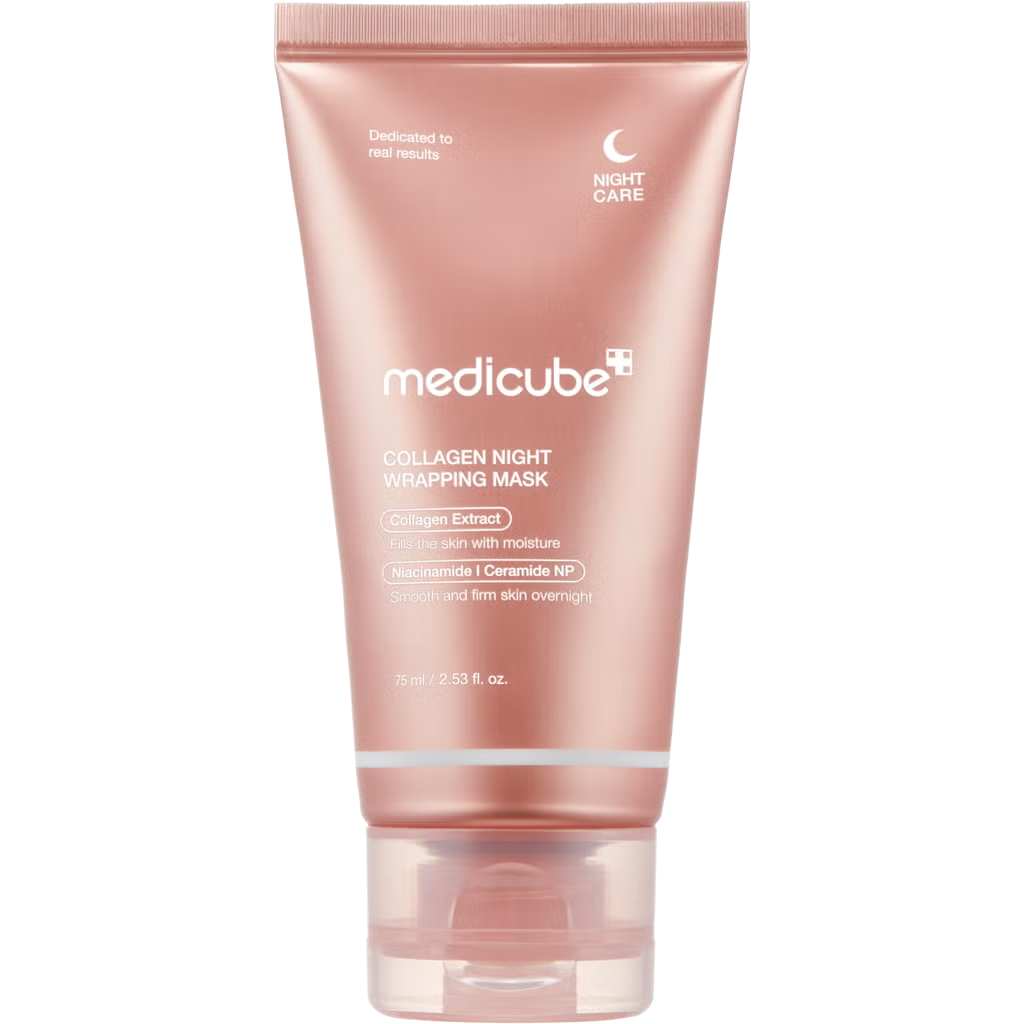
One of the products most responsible for the current wave of interest is the Medicube Collagen Night Wrapping Mask. Unlike traditional sleeping masks, it forms a thin film across the skin that is removed the following morning. The product combines ingredients such as collagen extract, niacinamide, ceramides, and hyaluronic acid, and has become one of the most discussed overnight treatments on social media.
What makes it interesting is not only the formula, but the experience. The application, the visible layer left on the skin, and the morning reveal all contribute to its popularity.
The product reflects a larger shift in beauty: results matter, but experience matters too.
The hydrogel mask phenomenon
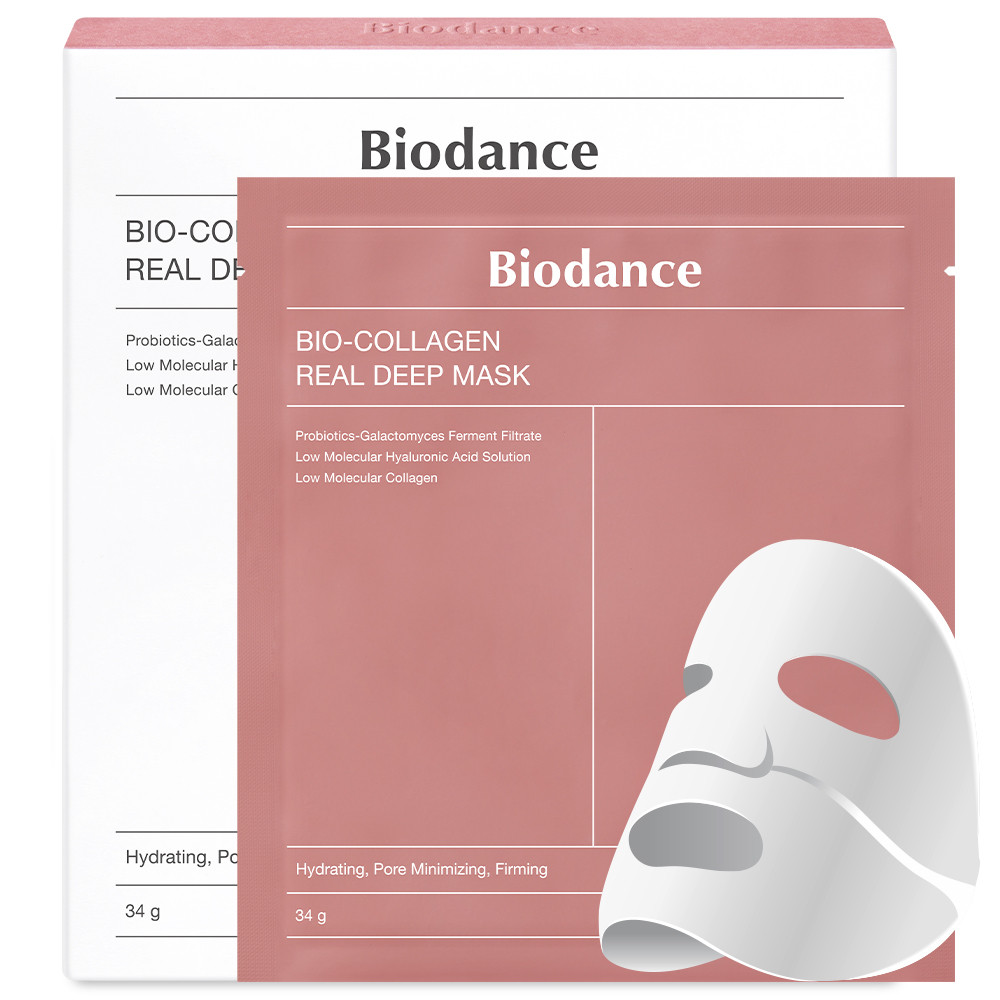
Another major player is the Biodance Bio-Collagen Real Deep Mask, one of the most recognizable overnight masks currently circulating on TikTok, Instagram, and Pinterest.
Unlike a traditional cream mask, Biodance uses a hydrogel format that gradually becomes more transparent as it sits on the skin. Many users wear it for several hours or overnight, creating a visual transformation that has become highly shareable online.
The popularity of products like Biodance highlights how overnight skincare is no longer just about ingredients. It is also about ritual.
People are increasingly looking for skincare experiences that feel intentional, relaxing, and visibly connected to self-care.
The product that started it all
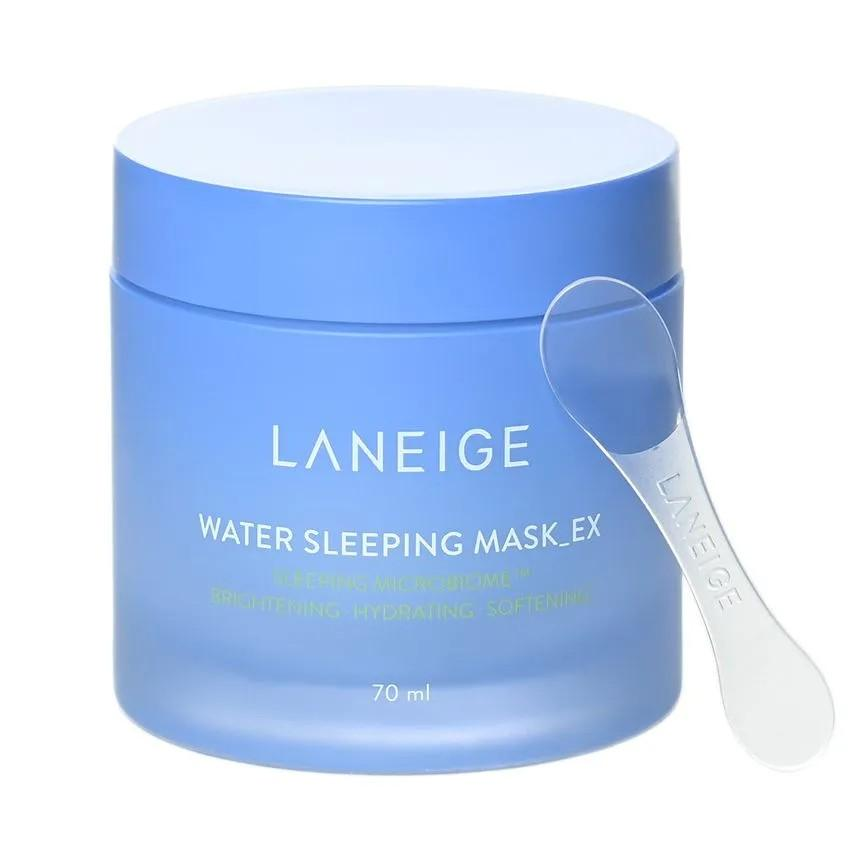
Long before collagen masks became viral, Laneige Water Sleeping Mask helped introduce the idea of overnight skincare to a global audience.
Unlike many newer launches, Laneige focused primarily on hydration. The formula was designed to help the skin maintain moisture throughout the night and reduce the feeling of dryness by morning.
Years later, it remains one of the most frequently recommended sleeping masks and is often considered the product that made the category mainstream.
Its continued popularity suggests something important: despite changing trends, hydration remains the foundation of overnight skincare.
Why overnight masks feel relevant right now
The success of sleeping masks cannot be explained by ingredients alone.
They fit perfectly into several larger beauty trends happening at the same time.
Consumers are increasingly interested in barrier repair. They are paying more attention to skin recovery rather than aggressive treatments. They are also embracing slower routines and products that feel comforting rather than corrective.
Overnight masks combine all of these ideas into a single category.
They are positioned as restorative rather than transformative. They fit naturally into evening rituals. And perhaps most importantly, they align with the growing belief that healthy skin depends as much on recovery as it does on active treatment.
More than just a trend
It would be easy to dismiss overnight masks as another temporary beauty obsession.
Yet their popularity reflects a broader shift in how skincare is viewed.
For years, the industry focused on changing the skin. Today, many brands are increasingly focused on supporting it.
That difference may seem subtle, but it changes the way products are developed, marketed, and used.
The rise of overnight masks suggests that consumers are becoming less interested in quick fixes and more interested in long-term skin health.
And in a beauty industry that often moves at remarkable speed, the idea of simply going to sleep and letting the skin recover may be one of the most appealing trends of all.
Read More: Why Modern Skincare Is Designed to Go Viral