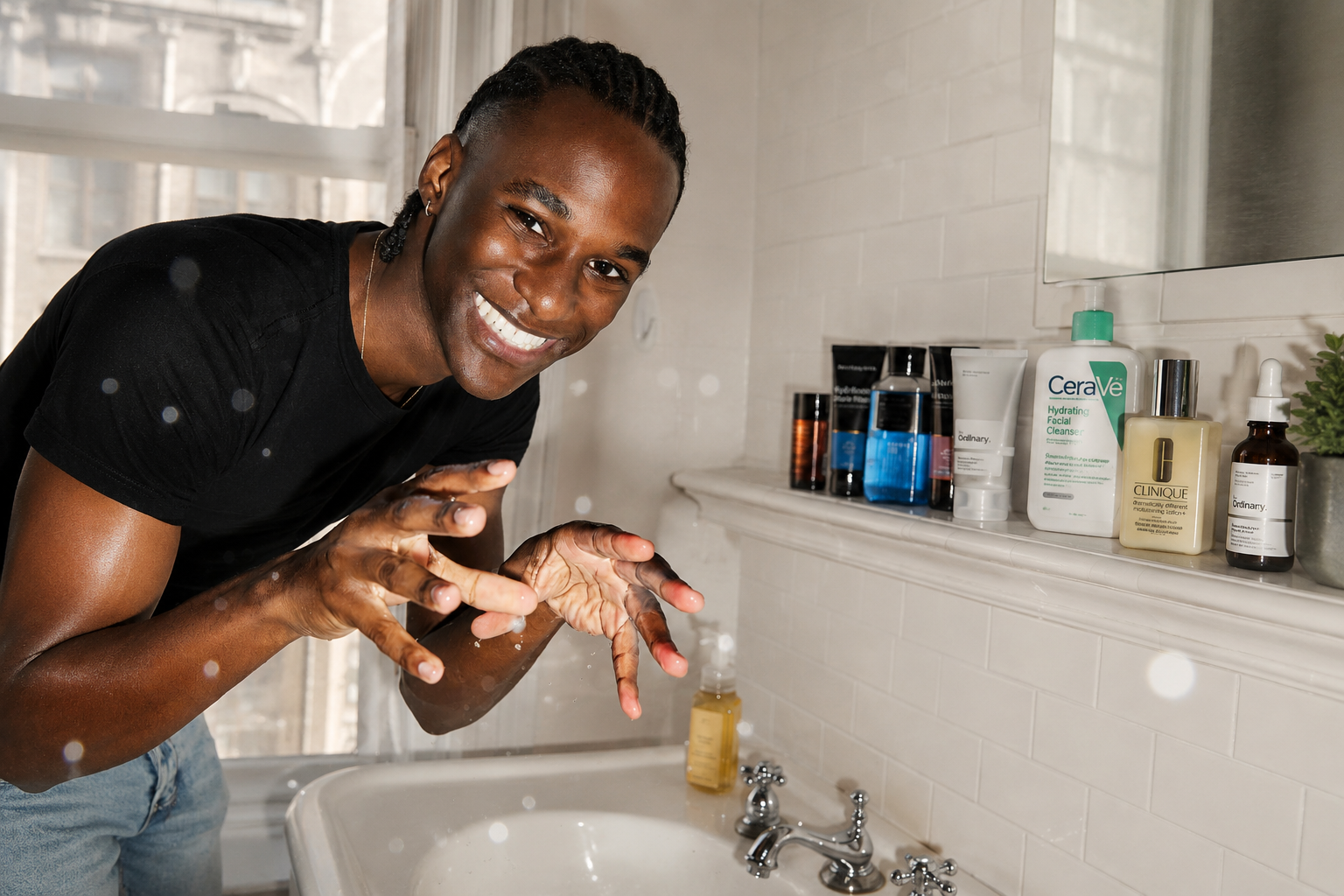
For much of modern history, men’s skincare wasn’t really skincare at all.
A bar of soap, shaving foam and a bottle of aftershave were often the only products sitting on the bathroom shelf. Moisturizers were seen as optional, sunscreen was something you packed for summer holidays, and ingredients like ceramides or niacinamide rarely entered everyday conversations.
Fast forward to 2026, and the landscape looks remarkably different.
Millions of men now wear sunscreen daily, understand the importance of protecting their skin barrier and actively search for dermatologist-approved products. Social media is filled with male skincare creators, luxury brands are expanding their men’s offerings, and taking care of your skin is no longer viewed as unusual—it’s simply part of looking after yourself.
This transformation didn’t happen overnight. It was shaped by cultural shifts, scientific innovation, social media and changing attitudes toward masculinity.
2015: When Skincare Meant Soap and Aftershave
Ten years ago, skincare was rarely marketed as something men should care about.
Most advertising focused almost entirely on shaving. Brands like Gillette and Nivea Men built their campaigns around a clean shave, freshness and masculine confidence rather than healthy skin. If moisturizers appeared in men’s product lines at all, they were usually presented as quick solutions for dry skin after shaving—not as part of a daily routine.
The average bathroom shelf reflected that mindset. One cleanser often doubled as body wash, facial cleanser and shampoo. Sunscreen was considered seasonal, and anti-aging products were largely associated with women’s beauty routines.
More importantly, skincare simply wasn’t part of everyday conversations between men.
There was little curiosity about ingredients or skin health because very few brands or media outlets were encouraging those discussions.

2018: The Beard Boom Opened the Door
The first major shift didn’t actually begin with skincare.
It began with beards.
As barber culture exploded across Europe and North America, men started paying more attention to grooming than ever before. Independent barbershops became lifestyle destinations rather than simple haircut appointments, while brands like Beardbrand, Bulldog Skincare and Proraso gained popularity by offering beard oils, balms and specialized grooming products.
For many men, buying beard oil became their first experience with using products specifically designed for their face.
That small change had a much bigger impact than anyone expected.
Once daily grooming became a habit, it felt natural to add a facial cleanser or moisturizer alongside it. Grooming slowly evolved into skincare—not because brands forced it, but because men became more comfortable investing time in their appearance.
Looking back, the beard boom wasn’t really about facial hair.
It quietly changed the conversation around self-care.
2020: Social Media Changed Everything
If one period accelerated men’s skincare more than any other, it was the combination of the pandemic and social media.
During lockdowns, millions of people spent hours each day looking at themselves on video calls. Small details that often went unnoticed suddenly became impossible to ignore—tired-looking skin, uneven tone, irritation after shaving or persistent acne.
At the same time, TikTok completely changed how skincare information was shared.
Instead of glossy advertisements, users discovered dermatologists explaining ingredients in simple language. Creators demonstrated routines built around products from brands like CeraVe, The Ordinary and La Roche-Posay, focusing on science rather than marketing claims.
For many men, this was the first time skincare felt approachable.
They weren’t being told to “look younger.”
They were learning why sunscreen prevents long-term damage, why over-cleansing weakens the skin barrier and why using fewer, better products often delivers better results than complicated routines.
Perhaps the biggest change was psychological.
Skincare stopped feeling like a beauty ritual and it started feeling like basic self-care.
2023: Healthy Skin Became More Important Than Looking Perfect
By 2023, the conversation around men’s skincare had changed once again.
The goal was no longer to achieve “perfect” skin or follow complicated routines inspired by social media. Instead, men became increasingly interested in maintaining healthy, resilient skin that looked natural.
Dermatologists played a significant role in this shift. Rather than promoting endless product layering, they encouraged simple routines built around proven ingredients and consistency. The idea of protecting the skin barrier became just as important as treating acne or reducing fine lines.
Brands adapted quickly. Instead of marketing products as “anti-aging miracles,” companies like CeraVe, La Roche-Posay and The Ordinary focused on ceramides, gentle cleansing, hydration and daily sun protection. Scientific evidence started replacing marketing buzzwords.
At the same time, the skincare industry began moving away from heavily gendered packaging. Younger consumers cared less about whether a product was labelled “for men” and more about whether it actually worked.
The question had changed from “Is this made for men?” to “Is this good for my skin?”
2026: Skincare Became Part of Modern Self-Care
Today, skincare has become something much bigger than beauty.
For many men, it sits alongside fitness, nutrition, sleep and mental wellbeing as part of a healthier lifestyle.
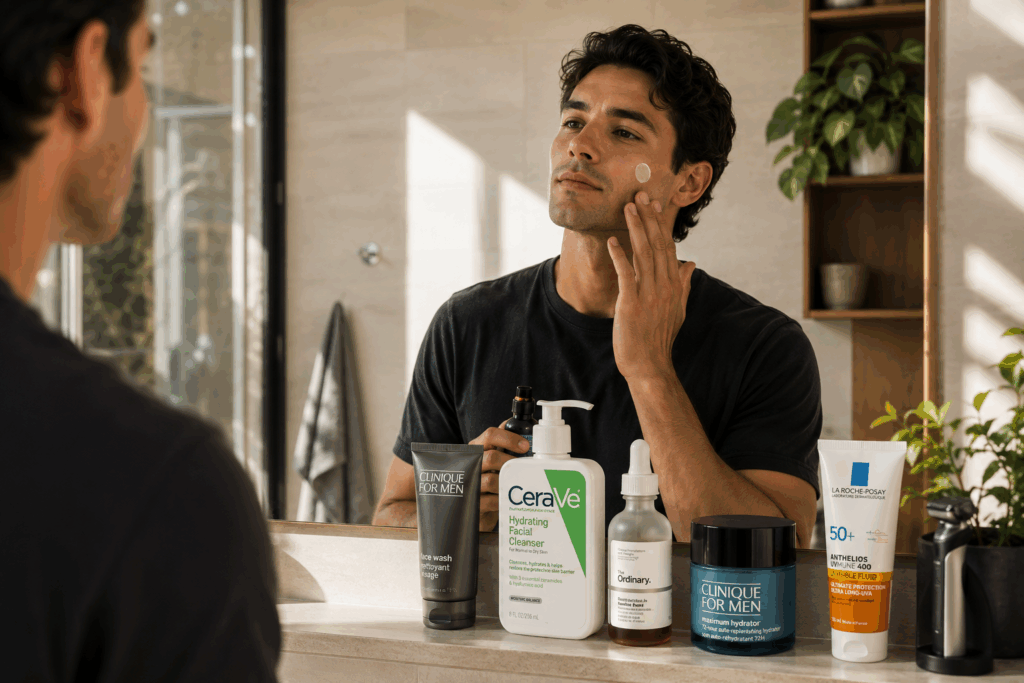
One of the biggest trends is simplicity. Instead of collecting dozens of products, most routines now revolve around just a few essentials: a gentle cleanser, a moisturizer, sunscreen and, when needed, one targeted treatment.
Luxury beauty brands have also recognized this evolution. Companies such as Clinique, Shiseido, Chanel and Dior increasingly focus on skin health, performance and long-term care rather than outdated stereotypes about masculinity. At the same time, social media has made ingredient literacy almost mainstream. Men who had never heard of peptides or niacinamide a few years ago now understand why they matter.
Perhaps the biggest surprise is that many younger consumers no longer see skincare as something masculine or feminine.
They simply see it as healthcare for their skin.
Looking Ahead
If the past decade has taught us anything, it’s that men’s skincare will continue to evolve—not because men suddenly became more interested in beauty, but because they became better informed.
The next chapter is likely to focus on personalization rather than complexity. AI-powered skin analysis, microbiome-friendly formulas, longevity-focused ingredients and customized routines are already shaping the future of skincare.
At the same time, the definition of men’s skincare may become less important than ever before.
The products of the future will probably be chosen for their ingredients, scientific evidence and effectiveness—not for the colour of their packaging or the gender printed on the label.
Looking back, the transformation has been remarkable.
Ten years ago, a simple bar of soap represented the entire skincare routine for many men.
Today, millions understand the importance of daily sun protection, skin barrier health and evidence-based ingredients—not because they’re chasing perfection, but because taking care of your skin has become a normal part of taking care of yourself.
And perhaps that’s the biggest change of all. Men’s skincare didn’t simply evolve.
The way men think about skincare evolved with it.