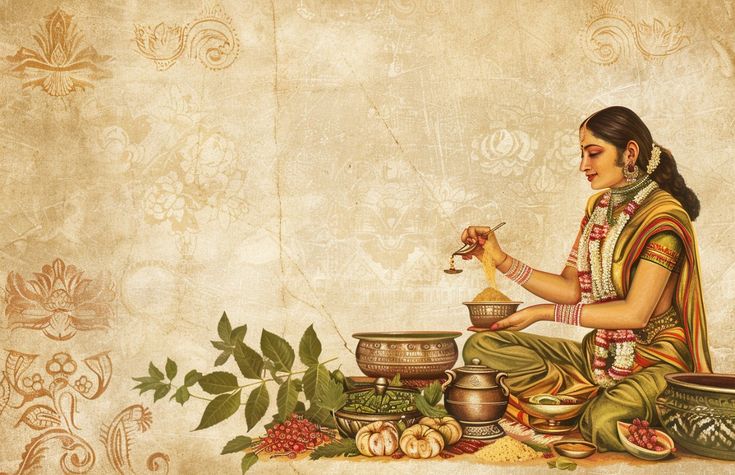
Skin Rituals is an editorial series by SkinTrendsEU exploring how skincare has been shaped by culture, climate, and everyday life around the world. Rather than focusing on trends or products, the series looks at the rituals, ingredients, and practices that have influenced skincare for generations—and how many of them continue to inspire modern beauty today.
When it comes to beauty traditions, few countries have a history as rich and enduring as India.
Long before serums, sheet masks, and skincare routines became part of everyday conversations, Indian beauty practices were already deeply rooted in daily life. Many of these rituals were influenced by Ayurveda, one of the world’s oldest holistic systems, where skincare was viewed not as a separate beauty practice, but as part of overall well-being.
What makes Indian skincare particularly fascinating is that many of its most iconic rituals never disappeared. They simply evolved.
Ubtan: The Original Face Mask
Centuries before modern exfoliators and brightening masks, Indian households were making their own skincare treatments using simple kitchen ingredients.
One of the most famous examples is Ubtan.
Traditionally, Ubtan is a paste made from ingredients such as:
- chickpea flour (besan)
- turmeric
- sandalwood powder
- rose water
- milk or yogurt
The mixture was applied to the face and body to cleanse, soften, and brighten the skin.
Unlike many modern exfoliating products, Ubtan was not designed for aggressive resurfacing. Instead, it gently removed impurities while leaving the skin feeling smooth and refreshed.
Even today, variations of Ubtan remain popular across India, particularly before weddings and special occasions.
The Haldi Ceremony: When Skincare Meets Tradition
Perhaps the most recognizable Indian beauty ritual is the Haldi ceremony.
Traditionally held before a wedding, family members apply a turmeric-based paste to the bride and groom. While the ceremony carries strong cultural and symbolic meaning, it also has practical beauty roots.
Turmeric has been used for generations in Indian skincare because of its ability to improve the appearance of dull or uneven-looking skin.
The result is a ritual that sits somewhere between skincare, celebration, and tradition.
What makes it particularly unique is that it has survived largely unchanged for centuries.
Rose Water as an Everyday Essential
In many parts of the world, rose water has historically been associated with fragrance.
In India, it became something much more practical.
Rose water has long been used as a refreshing skin mist, a cleansing step, and an ingredient in homemade beauty treatments. It was valued for its cooling properties, particularly in regions with hot climates.
Today, rose water remains one of the most widely used skincare ingredients in India, appearing in everything from facial mists to cleansers and masks.
Few traditional ingredients have made the transition into modern skincare so successfully.
Sandalwood: Beauty’s Cooling Ingredient
Another ingredient deeply connected to Indian beauty traditions is sandalwood.
For generations, sandalwood paste has been applied to the skin to create a cooling sensation and help soothe the effects of heat and sun exposure.
Its popularity was closely linked to India’s climate. In many regions, skincare needed to focus on comfort, cooling, and protection rather than heavy treatment.
This practical approach helped sandalwood become one of the most recognizable ingredients in traditional Indian skincare.
Even today, sandalwood-inspired products continue to appear in both Ayurvedic and mainstream beauty brands.
Oils as Daily Care, Not Occasional Treatments
While facial oils have become trendy in Western skincare over the last decade, oils have been part of Indian beauty rituals for centuries.
Commonly used oils included:
- coconut oil
- sesame oil
- almond oil
These oils were often massaged into the skin and hair as part of regular self-care routines.
Unlike many modern products marketed as intensive treatments, oils were viewed as preventative care—a way to maintain softness, resilience, and balance over time.
The philosophy was simple: support the skin before problems appear.
Why So Many of These Rituals Survived
Many traditional beauty practices around the world have faded over time.
India is different.
A large number of its skincare rituals remain surprisingly recognizable today because they were built around ingredients that were accessible, practical, and closely connected to everyday life.
Turmeric, rose water, sandalwood, and natural oils never disappeared from Indian households. As a result, they were able to evolve alongside modern beauty rather than being replaced by it.
The Modern Return of Ancient Ingredients
Walk through today’s beauty market and you’ll find countless products featuring ingredients that have been part of Indian skincare for generations.
Turmeric masks.
Rose water mists.
Saffron serums.
Sandalwood cleansers.
Facial oils.
Many of the ingredients now promoted as innovative beauty discoveries have roots that stretch back hundreds—sometimes thousands—of years.
What has changed is not necessarily the ingredients themselves, but the way they are packaged, formulated, and marketed.
A Tradition That Continues to Evolve
India’s skincare history offers a reminder that beauty trends rarely appear out of nowhere.
Often, the newest ideas are simply older practices returning in a different form.
While modern skincare continues to evolve, many of India’s most enduring beauty rituals remain remarkably relevant. They were designed around climate, daily life, and long-term care rather than quick fixes.
And perhaps that is why they continue to resonate today.
The products may look different.
The philosophy behind them remains surprisingly familiar.
Read More: What Dior’s Summer Makeup Collection Says About Beauty Right Now