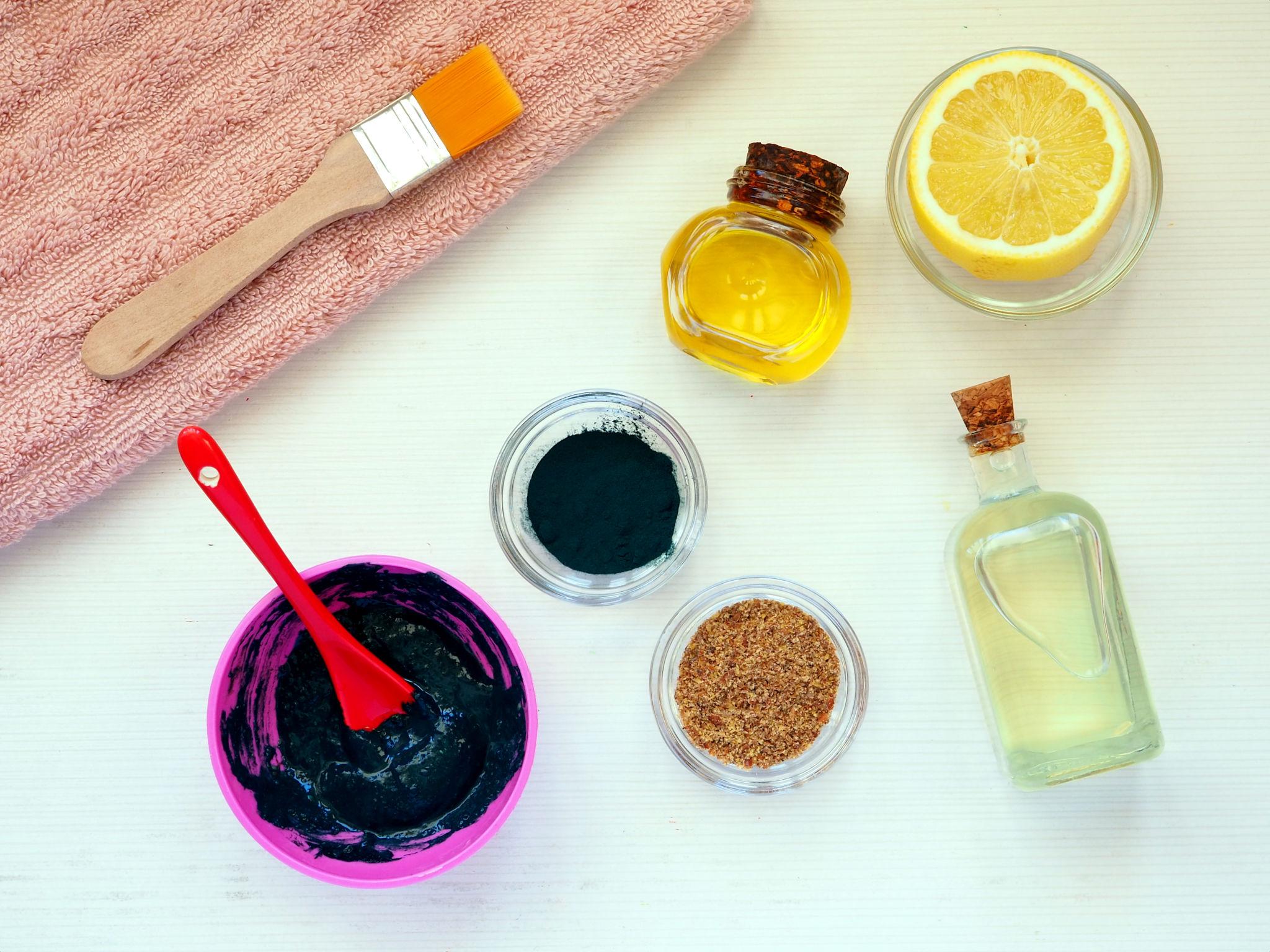
The beauty industry loves innovation. Every year brings new ingredients, new routines, and new promises of flawless skin. But for every trend that becomes a long-term staple, countless others fade into obscurity.
Some disappeared because better science emerged. Others simply couldn’t survive beyond the social media hype that made them famous in the first place.
Looking back at some of the internet’s most beloved beauty crazes reveals something fascinating: skincare trends often tell us more about the era that created them than about skincare itself.
When Lemon Juice Was a Skincare Solution
There was a time when lemon juice was one of the internet’s favorite beauty recommendations.
People applied it to dark spots, acne marks, and uneven skin tone, convinced that its natural acidity would brighten and transform their complexion. Beauty blogs, forums, and DIY websites praised it as a simple home remedy hiding in every kitchen.
The appeal was obvious. It was inexpensive, natural, and accessible.
What many people didn’t realize was that lemon juice is highly acidic and can cause irritation, disrupt the skin barrier, and increase sensitivity to sunlight. While the trend survived for years, modern skincare science gradually replaced these homemade solutions with safer and more predictable alternatives.
Today, lemon juice belongs more to skincare history than to skincare routines.
The Toothpaste-on-Pimples Era
Few beauty myths spread faster than the belief that toothpaste could shrink a pimple overnight.
For years, teenagers and adults alike reached for toothpaste whenever an unexpected breakout appeared. The temporary drying effect often created the illusion that the blemish was improving, reinforcing the myth.
In reality, many toothpaste formulas contain ingredients that can irritate facial skin, leading to redness, dryness, and discomfort.
The idea survived because it seemed logical and occasionally produced visible results. Yet as skincare education became more widespread, targeted acne treatments replaced this bathroom-cabinet shortcut.
The Rise and Fall of Charcoal Masks
If social media had a skincare mascot in the late 2010s, it was probably the black charcoal peel-off mask.
Videos showing dramatic mask removals generated millions of views. The visual satisfaction was undeniable. People watched black strips pull away from skin, convinced they were witnessing deep cleansing in action.
The problem was that skincare effectiveness and entertainment value are not always the same thing.
Many users experienced irritation, redness, and discomfort. Over time, the excitement faded, and the beauty community became more interested in maintaining a healthy skin barrier than in aggressively stripping the skin.
Today, charcoal remains an ingredient in some products, but the viral obsession has largely disappeared.
When More Exfoliation Seemed Like Better Skincare
For years, many skincare routines were built around a simple idea: if a little exfoliation helps, more must be better.
Scrubs became rougher. Cleansing brushes became more powerful. Acids appeared in increasingly complex routines.
Some people exfoliated daily, sometimes multiple times a day, believing that smooth skin required constant removal of dead skin cells.
The result was often irritation rather than improvement.
Modern skincare has shifted dramatically. The conversation now revolves around balance, skin barrier health, and moderation. Instead of asking how much exfoliation is possible, many experts now focus on how much exfoliation is necessary.
The difference may sound subtle, but it represents one of the biggest philosophical changes in modern skincare.
The Clarisonic Phenomenon
For a period of time, Clarisonic cleansing devices seemed almost essential.
Beauty editors praised them. Influencers showcased them. Consumers invested in them.
The promise was compelling: deeper cleansing through advanced technology.
Yet as skincare evolved, so did attitudes toward cleansing. Gentler routines gained popularity, and many consumers realized that effective skincare did not necessarily require aggressive mechanical cleansing.
When Clarisonic eventually disappeared from the market, it became a reminder that even highly successful beauty products can struggle to remain relevant as consumer priorities change.
DIY Beauty’s Golden Age
Long before TikTok skincare trends, the internet experienced a DIY beauty boom.
Kitchen ingredients became skincare ingredients.
Honey masks. Avocado masks. Baking soda scrubs. Yogurt treatments.
The trend reflected a desire for simplicity and natural solutions, but it also highlighted a recurring challenge in beauty culture: not everything that is safe to eat is suitable for the skin.
Many of these homemade recipes eventually gave way to professionally formulated products designed with stability, safety, and efficacy in mind.
From Tanning Culture to Sun Protection Culture
Perhaps no beauty shift has been more dramatic than the changing attitude toward sun exposure.
There was a time when achieving a deep tan was considered a beauty goal. Tanning oils and sunbathing routines were common, and discussions about sun damage rarely dominated beauty conversations.
Today, sunscreen occupies a central place in skincare culture.
The transformation reflects decades of growing awareness about photoaging, pigmentation, and skin cancer prevention. What was once considered glamorous is now often viewed through a very different lens.
What Today’s Trends Can Learn from Yesterday’s
Looking back at these trends is not about mocking the past.
Every generation embraces beauty ideas that seem convincing at the time. Some survive because they are supported by evidence. Others disappear when better information becomes available.
The more interesting question may be this:
Which of today’s beauty trends will still make sense ten years from now?
The beauty industry will continue to evolve. New ingredients will emerge. New devices will appear. New routines will promise extraordinary results.
Some will become classics.
Others will quietly join the growing collection of beauty trends that couldn’t survive the internet.
Why SPF 50 May Not Be Working the Way You Think?