TikTok Skincare Trends That Dermatologists Actually Hate
When Viral Beauty Meets Medical Reality
TikTok has transformed skincare into a spectacle.
In just a few seconds, millions of users are introduced to “miracle” routines, instant glow hacks, and dramatic before-and-after transformations. But behind the filters and fast edits lies an uncomfortable truth: many viral skincare trends are not just ineffective — dermatologists warn that some of them can seriously damage the skin.
As beauty culture accelerates, the gap between scientific skincare and social media trends continues to widen. Here are the TikTok skincare trends that dermatologists are most concerned about — and why.
1. Overloading the Skin with Active Ingredients
The TikTok promise:
More actives mean faster results.
Retinol, acids, niacinamide, vitamin C, peptides — all in one routine.
The dermatological reality:
Dermatologists consistently warn that layering too many active ingredients disrupts the skin barrier, leading to chronic irritation, inflammation, and premature aging.
The obsession with “stronger” skincare often backfires. Instead of improving the skin, excessive actives can trigger sensitivity, breakouts, and long-term damage.
💡 Key insight:
More skincare is not better skincare.
2. DIY Skincare Hacks (Lemon, Baking Soda, Toothpaste)
The TikTok promise:
Natural ingredients can replace professional skincare.
The dermatological reality:
Acidic substances like lemon juice and alkaline ingredients such as baking soda alter the skin’s pH, causing micro-burns and weakening the protective barrier. Toothpaste, often recommended for acne, can lead to chemical irritation and scarring.
Dermatologists emphasize that “natural” does not equal “safe.”
💡 Key insight:
TikTok promotes accessibility, but not safety.
3. Extreme Exfoliation Culture
The TikTok promise:
Smooth, flawless skin in days.
The dermatological reality:
Over-exfoliation damages the stratum corneum, the skin’s primary defense system. Continuous exfoliation — chemical or physical — can result in persistent redness, dehydration, and hypersensitivity.
The pursuit of perfect skin has created a culture of aggressive exfoliation that contradicts dermatological principles.
💡 Key insight:
Healthy skin is not stripped skin.
4. Slugging for Everyone
The TikTok promise:
Vaseline as the ultimate hydration solution.
The dermatological reality:
While slugging can benefit very dry or compromised skin, dermatologists caution against its universal use. For acne-prone or oily skin, occlusive layers can trap bacteria and exacerbate breakouts.
TikTok trends rarely acknowledge individual skin types.
💡 Key insight:
One-size-fits-all skincare doesn’t exist.
5. Skin Icing and Shock Treatments
The TikTok promise:
Instant pore tightening and glow.
The dermatological reality:
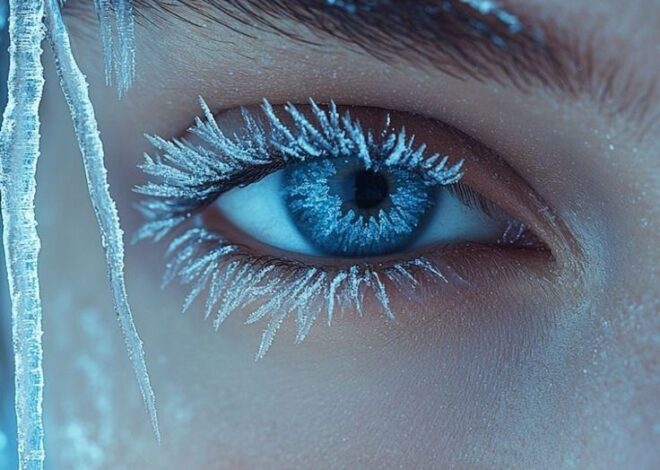
Ice therapy offers temporary benefits but may worsen rosacea or sensitive skin. Sudden temperature changes can damage capillaries and increase redness.
The illusion of instant results often hides long-term consequences.
💡 Key insight:
Temporary effects are not real solutions.
6. Misinterpreted “Skin Cycling”
The TikTok promise:
A scientifically designed routine for everyone.
The dermatological reality:
Skin cycling, originally a dermatologist-backed concept, has been oversimplified by social media. Without personalization, it can lead to improper ingredient combinations and skin stress.
TikTok reduces complex dermatological strategies into digestible but misleading formulas.
💡 Key insight:
Science loses accuracy when turned into trends.
The Bigger Picture: TikTok and the New Skincare Anxiety
Beyond individual trends, dermatologists are increasingly concerned about the psychological impact of TikTok beauty culture. The constant exposure to flawless skin creates unrealistic expectations and encourages over-treatment.
Skincare has shifted from self-care to self-surveillance.
In the race for perfection, many users forget the fundamental truth of dermatology: the skin is an organ, not a social media aesthetic.
From Viral Trends to Intelligent Skincare
TikTok has democratized skincare knowledge, but it has also amplified misinformation. Dermatologists agree that the future of skincare lies not in viral hacks, but in personalized, barrier-focused, science-driven routines.
In an era dominated by trends, the most radical act of beauty might be listening to science instead of algorithms.
Anti-aging products too earlry?