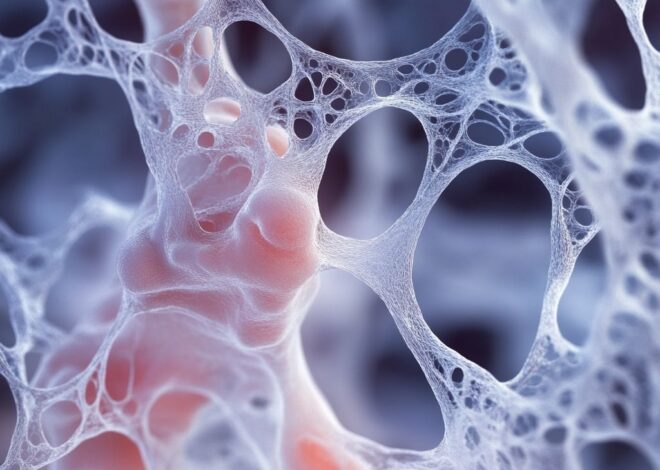
The science behind peptides and collagen repair
Peptides have become one of the most talked-about ingredients in modern skincare — and for good reason. As the beauty industry moves toward more science-driven formulas, peptides sit at the intersection of innovation, cellular biology and long-term skin health. Their rise is not a trend; it is a reflection of how deeply scientists now understand the skin’s communication systems and regenerative potential.
But what exactly are peptides? And how do they influence collagen — the protein responsible for firmness, elasticity and youthful texture? The answer lies in one of the most fascinating processes within the skin: molecular signalling.
What Are Peptides and Why Are They Important?
Peptides are short chains of amino acids — the same building blocks that form proteins like collagen, elastin and keratin.
While long chains of amino acids form full proteins, peptides act like miniature messengers that tell cells what to do.
In healthy, youthful skin, peptides naturally form when collagen breaks down. The skin interprets these fragments as a signal that more collagen is needed. This self-repair mechanism keeps the skin firm and resilient.
However, with age, UV exposure, pollution and stress, two things happen:
- Collagen breaks down faster.
- The skin becomes less efficient at producing new collagen.
Topical peptides help compensate for this decline by delivering external signals that stimulate repair.
How Peptides Support Collagen Repair
Peptides work not by forcing the skin to behave in a certain way but by communicating with it. Different peptide types target different cellular functions:
1. Signal Peptides — the “collagen activators”
Signal peptides send messages to fibroblasts, the collagen-producing cells in the dermis. They encourage the production of:
- collagen types I and III
- elastin
- hyaluronic acid
- fibronectin
By boosting these structural components, signal peptides help restore firmness and smooth fine lines.
Examples: Palmitoyl Pentapeptide-4 (Matrixyl), Palmitoyl Tripeptide-1
2. Carrier Peptides — delivering essential minerals
Carrier peptides transport trace elements like copper into the skin, which are essential for enzymatic processes involved in collagen synthesis.
Copper peptides (GHK-Cu) have been shown to:
- accelerate wound healing
- stimulate collagen and elastin
- reduce inflammation
- improve skin barrier repair
They support long-term skin rejuvenation by improving how efficiently cells function.
3. Neurotransmitter-Inhibiting Peptides — smoothing expression lines
Often compared to “topical botox,” these peptides reduce excessive muscle micro-contractions. This softens dynamic wrinkles, especially around the eyes and forehead.
Examples include Argireline (Acetyl Hexapeptide-8).
They do not paralyse muscles but help relax tension, contributing to a smoother appearance.
Why Peptides Work Better in 2025 Formulations
Modern peptide formulations outperform earlier versions because of advancements in:
✔ Stability
New delivery systems protect peptides from degradation.
✔ Penetration technology
Encapsulation and lipid carriers allow deeper transport into the epidermis.
✔ Synergy with other ingredients
Peptides work exceptionally well with:
- niacinamide
- hyaluronic acid
- ceramides
- antioxidants
These combinations improve absorption and strengthen the skin’s natural repair environment.
Peptides vs Retinoids: Do They Replace Each Other?
Peptides are not a substitute for retinoids — they complement them.
Retinoids speed up cell turnover and increase collagen production, but they can be irritating, especially for sensitive skin.
Peptides, on the other hand:
- work gently
- support the structure of the skin
- reduce inflammation
- help repair the barrier
For many users, peptides offer an anti-aging option that is effective yet non-irritating, making them suitable for long-term use and for those who cannot tolerate retinol.
Who Benefits Most From Peptide-Based Skincare?
Peptides are ideal for:
✔ early signs of aging (fine lines, dullness)
✔ sensitive skin types who avoid retinoids
✔ post-procedure skin (microneedling, lasers, peels)
✔ dehydrated, stressed or barrier-compromised skin
✔ users looking for long-term firmness and elasticity
They are also suitable for all ages — prevention and repair can both benefit from peptide support.
How to Get the Most Out of Peptide Products
- Use peptides consistently — results build slowly but steadily.
- Combine with hydrating ingredients to improve penetration.
- Avoid pairing them with strong exfoliants in the same routine, as low pH can destabilize certain peptides.
- Choose serums or moisturisers over cleansers; contact time matters.
With steady use, peptides help restore a firmer, smoother and more resilient skin matrix.
Peptides represent one of the most scientifically grounded areas of modern skincare. By tapping into the skin’s natural communication system, they encourage collagen repair, support the barrier and improve structural integrity — all without irritation.
In a landscape filled with fast trends and viral hacks, peptides stand out as a category rooted in real biology and measurable skin transformation.

Related Posts

AI in Dermatology: The Problem No One Talks About
PDRN Serum: What It Is and What Science Really Says