2000 vs 2026: How Skincare Went From Creams to Cellular Science
In 2000, skincare was simple.
You had a cleanser. A toner. A moisturizer. Maybe a night cream if you were feeling sophisticated. Sunscreen was something you packed for the beach, not something you wore in December.
Anti-aging meant one thing: collagen.
Two decades later, the vocabulary alone feels like science fiction.
Welcome to 2026.
The Products: From Comfort to Complexity
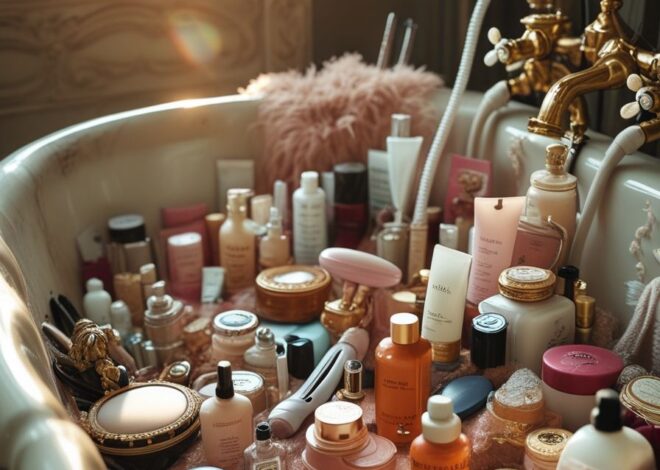
At the beginning of the millennium, most bathroom shelves looked reassuringly similar. Thick creams in glass jars. Milky cleansers. Alcohol-based toners that promised purity. The idea of “active ingredients” existed, but it wasn’t part of everyday conversation.
Retinol was almost medical. Niacinamide wasn’t trending. Peptides were rarely discussed outside dermatology circles.
Fast forward to 2026, and skincare reads like a biotech glossary.
Consumers now speak confidently about postbiotics, peptides, barrier repair and even mitochondrial function. Instead of simply hydrating the surface, modern formulations aim to influence deeper biological processes.
As a result, skincare has shifted from comfort to complexity.
The Routine: From Three Steps to Ritual
In the early 2000s, routines were short and predictable. Morning care involved cleansing and moisturizing. Evening care meant repeating the same steps, occasionally adding a richer cream.
In contrast, 2026 routines often resemble structured rituals. Double cleansing, layered serums, recovery nights and daily SPF are now standard practice. Moreover, concepts such as skin cycling and preventive care have entered mainstream conversations.
Skincare no longer fits casually into life. Instead, it is frequently planned and optimized.
The Mindset: From Aging Gracefully to Managing Biology
At the start of the century, anti-aging typically began in your late thirties. Wrinkles were inevitable — you simply tried to soften them.
The tone was reactive.
By 2026, the conversation has shifted dramatically. Prevention begins at 25. “Aging well” has transformed into “aging slower.” Longevity is no longer reserved for nutrition and fitness; it has entered beauty.
The language has evolved:
From “reduce wrinkles”
to “optimize cellular vitality.”
And with that shift came a new intensity. Skincare became part science experiment, part identity, part self-optimization project.
Influence: From Magazines to Algorithms
In 2000, beauty advice came from glossy magazines, television commercials, and perhaps a trusted dermatologist.
Today, it comes from dermatologists on TikTok, ingredient breakdown accounts, Reddit forums, and AI skin analysis tools.
Information is no longer scarce — it is overwhelming.
And yet, consumers have never been more informed.
What We Gained — and What We Lost
Clearly, the industry has advanced. Formulations are more targeted, research is more visible, and consumers are better informed.
At the same time, the emotional relationship with skincare has shifted. What once felt supportive now often feels strategic.
Ultimately, the biggest transformation is not just in the products themselves, but in how we relate to them.
In 2000, skincare was something we used.
By 2026, it has become something we analyze, personalize and, at times, optimize.
And that shift may define the era more than any single ingredient ever could.
The Real Difference
The most striking transformation isn’t in the jar.
It’s in the relationship.
In 2000, skincare was something we used.
In 2026, it is something we study, discuss, and sometimes obsess over.
From cold creams to cellular science, the journey reflects more than innovation.
It reflects how we see ourselves.
And that may be the biggest transformation of all.
Lancôme 2026One thought on “2000 vs 2026: How Skincare Went From Creams to Cellular Science”
Leave a Reply


Great interpretation, only kids of 2000s knew how cool mom’s creams were 🙂