Exosomes: Science, Hype, and the Future of Beauty
In the beauty industry, new ingredients appear every season, but only a few of them truly change the conversation. Recently, one word has started to dominate luxury skincare launches, clinic treatments, and marketing campaigns: exosomes.
They are presented as the next big breakthrough in anti-aging — a technology that can “teach” the skin to regenerate itself and behave like younger skin. But behind the futuristic promise, a growing debate is unfolding. Are exosomes a real innovation, or just another sophisticated marketing story?
The idea behind exosomes — explained simply
To understand why exosomes are so exciting, it helps to think about how skin cells work.
Skin cells constantly communicate with each other. When the skin is damaged by sun, pollution, stress, or aging, cells send signals that trigger repair processes, collagen production, and regeneration. These signals are not words, but biochemical messages.
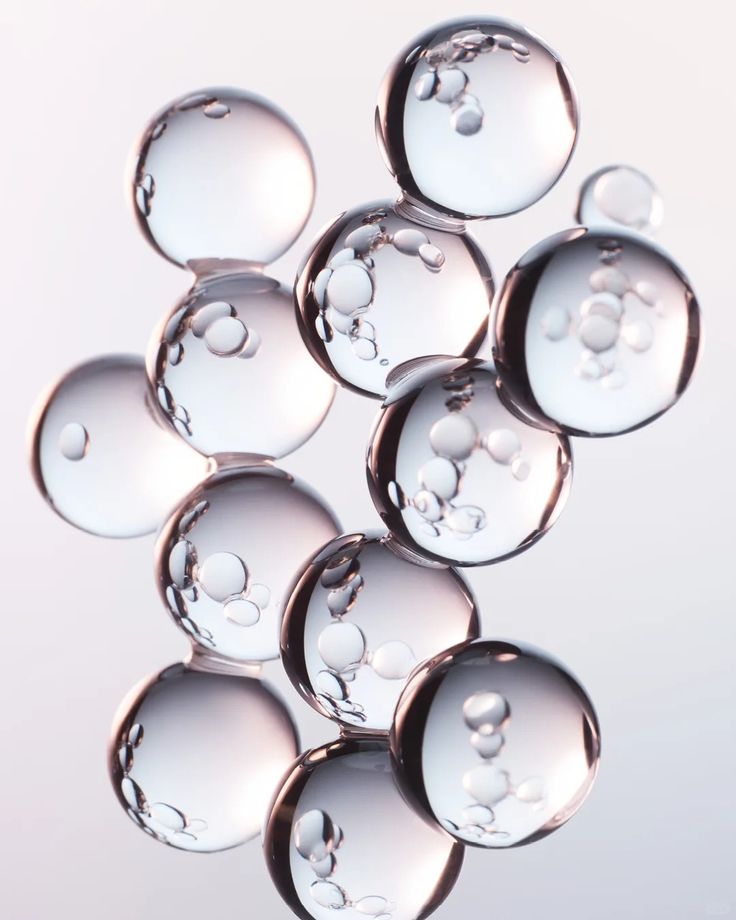
Exosomes are tiny carriers of such messages.
You can imagine them as microscopic envelopes or USB drives that deliver instructions from one cell to another.
The beauty industry’s idea is simple and powerful:
if we provide the skin with ready-made “instructions”, it might start behaving like younger, healthier skin.
In theory, exosomes could encourage regeneration, improve skin texture, and support anti-aging processes. This is why they are often described as a revolutionary ingredient.
Where science meets marketing
The problem is that the concept sounds more advanced than the reality.
In medicine, exosomes have been studied for years, mainly in regenerative therapies. In skincare, however, the situation is different. When exosomes are added to cosmetic products, an important question arises: can they actually reach living skin cells and influence them in a meaningful way?
The skin is a strong protective barrier. Many experts believe that exosomes in creams may not penetrate deeply enough to deliver real biological signals. In professional treatments, where technologies like microneedling or laser are used, the effect might be more plausible. In everyday skincare, the results are far less certain.
This gap between scientific potential and cosmetic reality is one of the main reasons why exosomes have become so controversial.
A regulatory grey zone
Another layer of controversy comes from regulation.
In many countries, there is still no clear framework defining how exosomes should be classified in beauty products. Are they purely cosmetic ingredients, biotech substances, or something closer to medical technology?
Some brands position exosome-based products as luxury cosmetics, while others offer them in clinics as advanced treatments. For consumers, this creates confusion. The same term can refer to very different technologies, levels of effectiveness, and safety standards.
As the beauty industry increasingly moves toward biotech solutions, regulation struggles to keep up with innovation.
Innovation, hype, or both?
Exosomes perfectly illustrate how modern beauty is evolving.
Traditional skincare focused on moisturizing, protection, and visible effects. Today’s beauty industry is moving toward deeper promises — cellular regeneration, communication between cells, and long-term transformation.
But with these promises comes a risk: when science is complex and invisible, marketing becomes more powerful than evidence.
Some experts see exosomes as a genuine step toward the future of skincare. Others view them as a clever way to repackage old ideas in futuristic language. Most likely, the truth lies somewhere in between.
What exosomes reveal about the future of beauty
The debate around exosomes is not just about one ingredient. It reflects a broader shift in the beauty industry.
Consumers are no longer satisfied with simple creams. They are drawn to technologies that sound scientific, advanced, and transformative. At the same time, they are becoming more critical and demand transparency, proof, and honesty.
Exosomes sit exactly at this intersection — between innovation and uncertainty, science and storytelling.
Whether they will become a true revolution or fade as another trend remains to be seen. But one thing is clear: in the era of biotech beauty, understanding what really lies behind the ingredients has never been more important.
TikTok Skincare Trends That Dermatologists Actually HateOne thought on “Exosomes: Science, Hype, and the Future of Beauty”
Leave a Reply

Related Posts

AI in Dermatology: The Problem No One Talks About
PDRN Serum: What It Is and What Science Really Says
Wow! Super interesting and innovative topic, we would like to hear more!!!!