Why Celebrities Are Talking About NMN and NAD — And What It Really Means
In recent months, NMN and NAD have increasingly appeared in celebrity interviews, podcasts, and wellness discussions. Public figures, including Kim Kardashian, have openly mentioned using these compounds as part of their daily routines, marking a noticeable shift in how aging and beauty are being discussed in the public sphere.
Unlike previous beauty trends focused on skincare products or cosmetic procedures, this conversation centers on internal processes — specifically, cellular health and longevity.
What makes the trend stand out is that audiences are not only hearing about NMN and NAD, but also noticing subtle visual differences in some of the celebrities associated with them.
A visible difference — subtle, but consistent
The change linked to NMN and NAD is rarely dramatic. Instead, it is often described as a quieter, more consistent shift in appearance and presence.
Celebrities associated with these compounds are frequently perceived as:
- more energetic and physically lean
- less visibly fatigued or worn out
This has reinforced the idea that youthfulness may increasingly be linked to how efficiently the body functions at a cellular level, rather than how well the skin is treated on the surface.
What NMN and NAD actually are
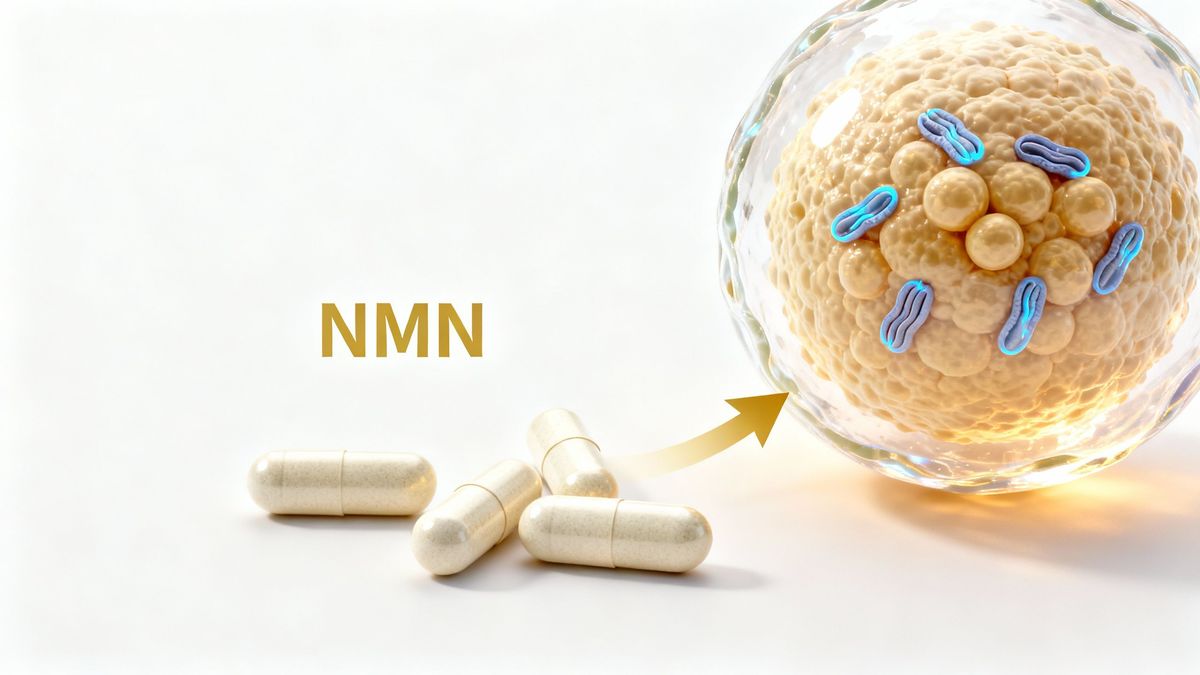
At the center of the discussion is NAD, a molecule naturally present in every cell of the human body. In simple terms, NAD plays a crucial role in how cells produce energy and repair themselves. As people age, natural NAD levels decline, a process associated with reduced energy, slower recovery, and visible signs of aging.
NMN functions as a supporting compound. It acts as a precursor the body can use to produce more NAD, which is why it is often described as a NAD booster in longevity research and wellness circles.
Rather than offering an immediate cosmetic effect, both compounds are associated with long-term cellular support.
How NMN and NAD are used today
Despite their growing presence in beauty conversations, NMN and NAD are not applied topically like traditional skincare ingredients. They are primarily used internally, reflecting their role in cellular processes.
Today, they are most commonly consumed as:
- dietary supplements, including capsules, powders, and sublingual forms
- NAD-based IV therapies offered in longevity clinics and private wellness centers
Topical products containing NMN or NAD remain rare, as these molecules are considered unstable or ineffective when applied directly to the skin.
From skincare to longevity culture
The rise of NMN and NAD highlights a broader transformation in the beauty industry. Skincare is no longer seen as the sole driver of youthful appearance. Instead, beauty is increasingly framed as the result of internal balance, energy production, and cellular efficiency.
This shift places NMN and NAD at the intersection of beauty, wellness, and longevity — an area the beauty industry is now closely observing.
Whether these compounds will become a permanent part of mainstream beauty routines or remain within niche longevity circles remains to be seen. What is clear is that when celebrities begin openly discussing cellular health, the definition of beauty starts to expand.
The Ingredients That May Disappear from Skincare in Europe
Related Posts

AI in Dermatology: The Problem No One Talks About
PDRN Serum: What It Is and What Science Really Says