Why Beauty Brands Are Quietly Reformulating in 2025
In 2025, some of the biggest changes in the beauty industry aren’t announced with press releases or flashy campaigns. They’re happening quietly — inside formulations. Products look the same on the shelf, carry the same name, and promise the same results. But the formulas? Many of them have changed.
This wave of silent reformulation isn’t accidental. It’s the result of regulatory pressure, supply chain shifts, and a growing demand for better-tolerated skincare.
EU Regulations Are Forcing Change
One of the main drivers behind reformulation is regulation — particularly in the European Union. Restrictions on certain preservatives, fragrance allergens, and UV filters have pushed brands to rethink long-standing formulas.
For example, several fragrance components have faced tighter regulation under updated EU cosmetic guidelines. As a result, brands like La Roche-Posay and Vichy have adjusted fragrance profiles or reduced them entirely in some of their best-selling products, often without highlighting the change publicly.
The goal isn’t marketing. It’s compliance — and risk reduction.
Barrier-Friendly Is No Longer a Trend, It’s a Requirement
Over the last few years, consumer feedback has become impossible to ignore. Irritation, sensitivity, and barrier damage are now among the most common skincare complaints.
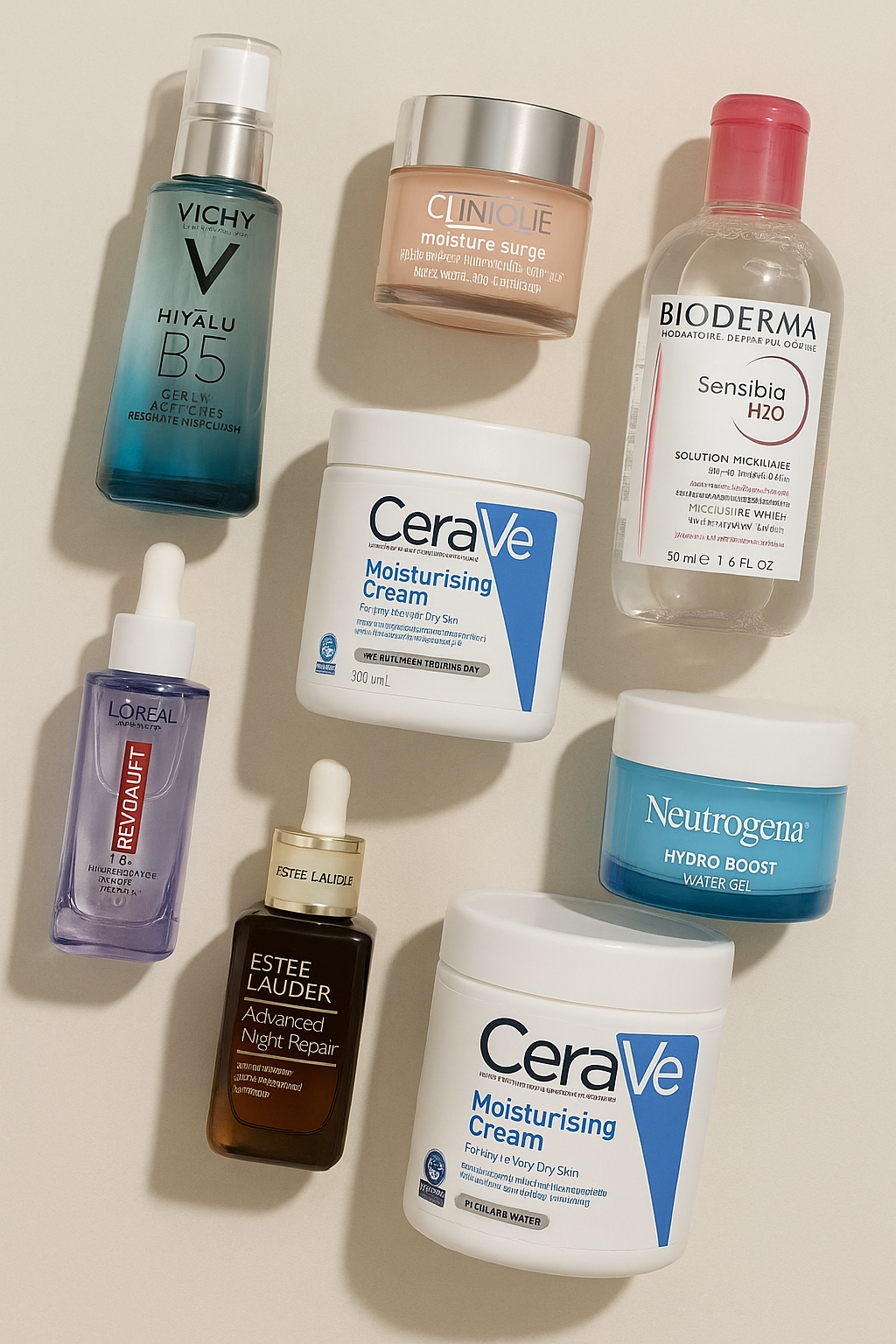
Brands such as CeraVe and Avène have doubled down on barrier-supportive formulas, refining textures, adjusting surfactant systems in cleansers, and rebalancing lipid ratios. These updates rarely come with new packaging or product names — but they significantly improve tolerability.
In many cases, formulas are becoming simpler, not more complex.
Fragrance Is Being Quietly Reconsidered
While fragrance still sells, many brands are choosing a more cautious approach. Instead of launching fully fragrance-free lines, they are reducing fragrance intensity or switching to lower-allergen blends.
Clinique, long known for its fragrance-free positioning, has influenced this shift more than it’s often credited for. Other brands, including Estée Lauder and Lancôme, have subtly reformulated hero products to minimize irritation — without making fragrance the headline.
It’s a strategic move: keep the sensory appeal, reduce the risk.
Supply Chain Pressures Are Changing Ingredients
Inflation and raw material shortages have also played a role. Certain botanical extracts and specialty ingredients have become harder to source consistently or cost-effective to maintain.
Instead of discontinuing products, brands are reformulating around more stable, widely available alternatives. L’Oréal Group brands, in particular, have leaned into lab-synthesized equivalents that offer better consistency and scalability — often improving formula stability in the process.
These changes are rarely framed as “improvements,” but that’s often what they are.
Consumers Rarely Notice — But They Feel It
Most consumers don’t read ingredient lists closely enough to spot a reformulation. But they notice when a product suddenly feels less irritating, absorbs better, or works more consistently.
That’s the paradox of quiet reformulation: when done well, it doesn’t need an announcement. The product simply performs better.
The Industry Is Moving Toward Safer, Smarter Formulas
This behind-the-scenes shift signals a broader change in the beauty industry. Instead of chasing novelty, brands are focusing on longevity — formulas that work across skin types, climates, and long-term use.
In 2025, reformulation isn’t about innovation for innovation’s sake. It’s about resilience, regulation, and rebuilding trust.
And while consumers may not always see the change, their skin certainly does.
Read More: Estee Lauder & Shopify