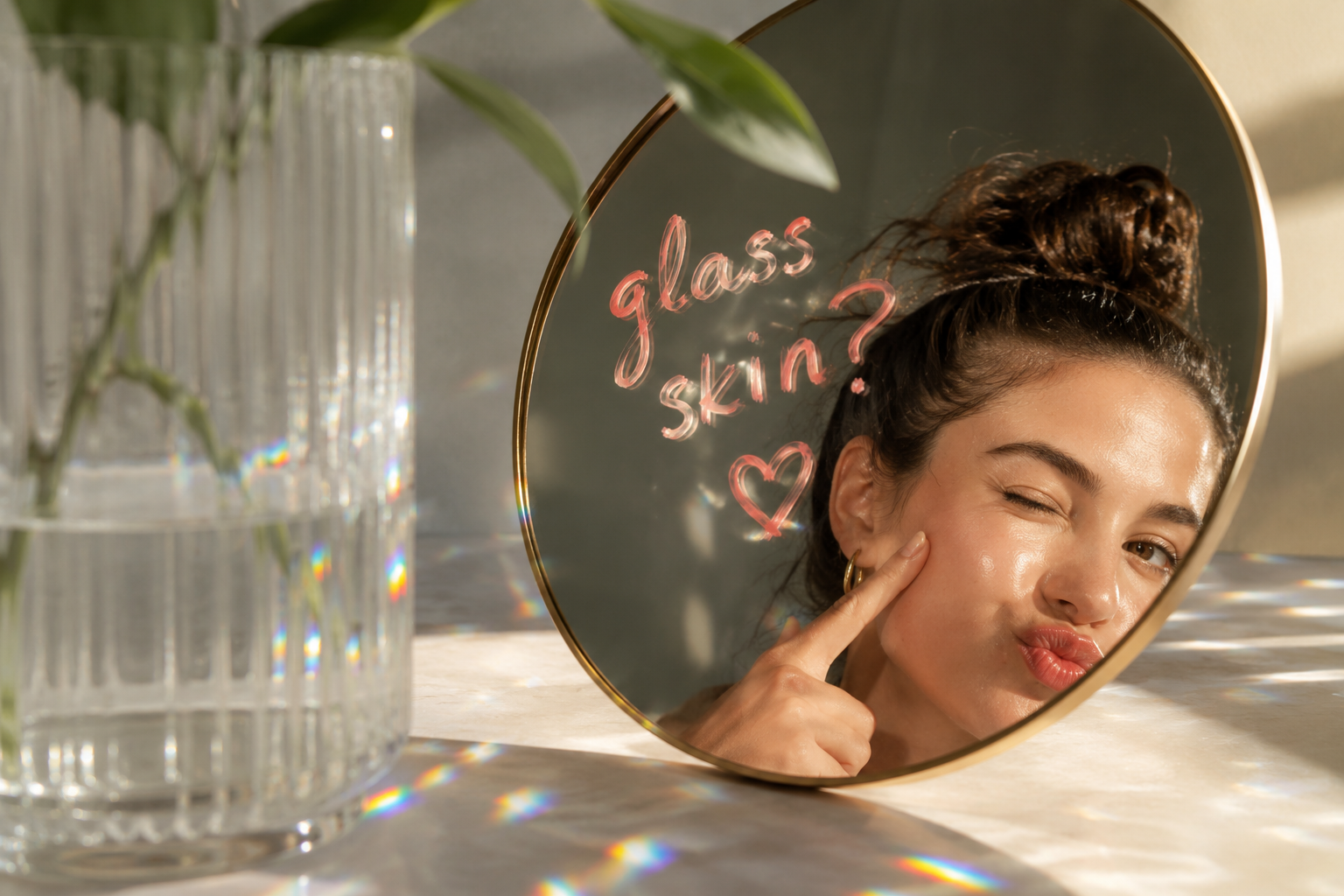
Glass skin has become one of the most recognizable beauty goals in recent years. Countless routines promise the same luminous, almost translucent complexion, often in just a few simple steps.
For some people, those routines seem to work beautifully. Others invest in gentle cleansers, hydrating toners, lightweight essences and daily sunscreen, yet the mirror tells a very different story.
If that sounds familiar, there’s a good reason.
Achieving glass skin isn’t simply about copying a routine. Healthy, glowing skin is the result of many small factors working together, and not all of them come in a bottle.
Glass Skin Is a Result, Not a Routine
One of the biggest misconceptions surrounding glass skin is the idea that it’s something you create by layering enough skincare products.
In reality, glass skin is the visible result of skin that is healthy, balanced and functioning well.
A routine certainly helps, but products alone can’t instantly create the smooth, reflective finish seen in carefully curated photos and videos. Skin needs time to recover, strengthen and adapt. Sometimes, it also needs less—not more.
Your Skin May Be Trying to Protect Itself
When the glow doesn’t appear, the first instinct is often to add another product.
A stronger exfoliant, maybe richer serum or a different essence.
The intention is understandable, yet the opposite can easily happen.
Overusing active ingredients may weaken the skin barrier, leaving the complexion feeling tight, irritated or unusually sensitive. Rather than reflecting light, stressed skin often looks dull because it’s busy trying to repair itself.
Giving your skin a chance to recover is sometimes more effective than adding another step to your routine.
Water Isn’t the Whole Story
Hydration receives plenty of attention, but it’s only part of the equation.
Skin can contain water while still struggling to hold on to it.
That’s where moisturizers play a different role. They help reduce water loss and support the skin barrier, allowing hydration to stay where it’s needed.
Think of it this way: hydration fills the glass, while moisturizers help keep it from leaking.
Both matter.
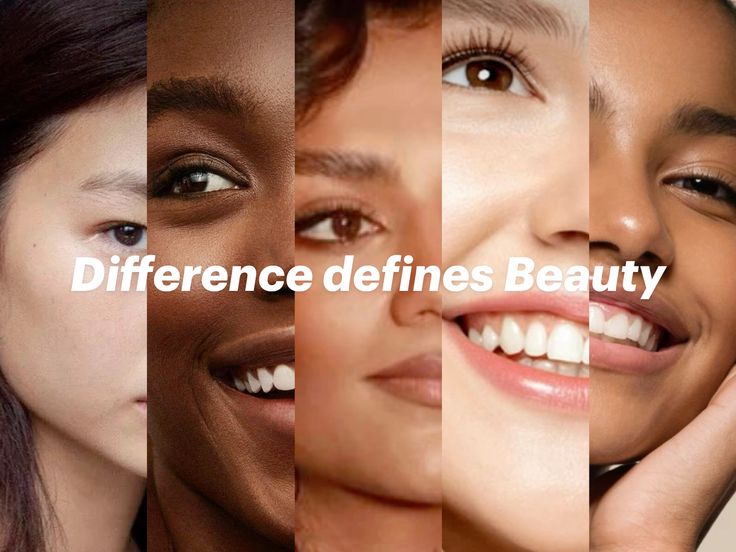
Your Skin Was Never Meant to Look Like Everyone Else’s
One person naturally has tiny pores. Another produces more oil. Someone else has naturally thicker skin or a different skin tone that reflects light differently.
None of those characteristics are mistakes.
They’re simply part of what makes every complexion unique.
Comparing your skin to someone else’s close-up photo can create unrealistic expectations, even when both of you are following excellent skincare routines.
The goal shouldn’t be to copy another person’s face.
It should be to help your own skin become the healthiest version of itself.
The Glow You See Online Isn’t Always What It Seems
It’s easy to forget that most of the flawless skin we see online isn’t viewed under everyday conditions. The right lighting, a high-quality camera and carefully chosen angles can completely change the way a complexion appears. In some cases, a little editing is involved too.
That doesn’t mean every image is misleading or that beautiful skin doesn’t exist. It simply means we’re often comparing our everyday reflection to a carefully selected moment that was captured under ideal conditions.
Real skin has pores, texture and the occasional blemish. Those things don’t make your skin unhealthy—they make it human.
Give Your Skin More Time Than Social Media Does
One of the biggest differences between real life and social media is patience.
Many online routines promise visible changes within days, while healthy skin usually improves gradually over weeks and months.
Consistency almost always matters more than perfection.
Small improvements are easy to overlook because they happen slowly. Looking back at a photo taken three months ago often tells a more honest story than checking the mirror every morning.
Glass Skin Was Never the Real Goal
Perhaps that’s the most important thing to remember.
Glass skin isn’t a finish line that proves you’ve finally found the perfect routine.
It’s simply one possible expression of healthy skin.
If your complexion feels calmer, looks more balanced and reacts less to everyday stress, you’re already moving in the right direction—even if it never looks exactly like the flawless images filling your social media feed.
Healthy skin doesn’t have to be identical to someone else’s.
It only has to be healthy enough to make you feel confident.
Read More: Clear Glass Skin – The Reality Behind the Korean Trend