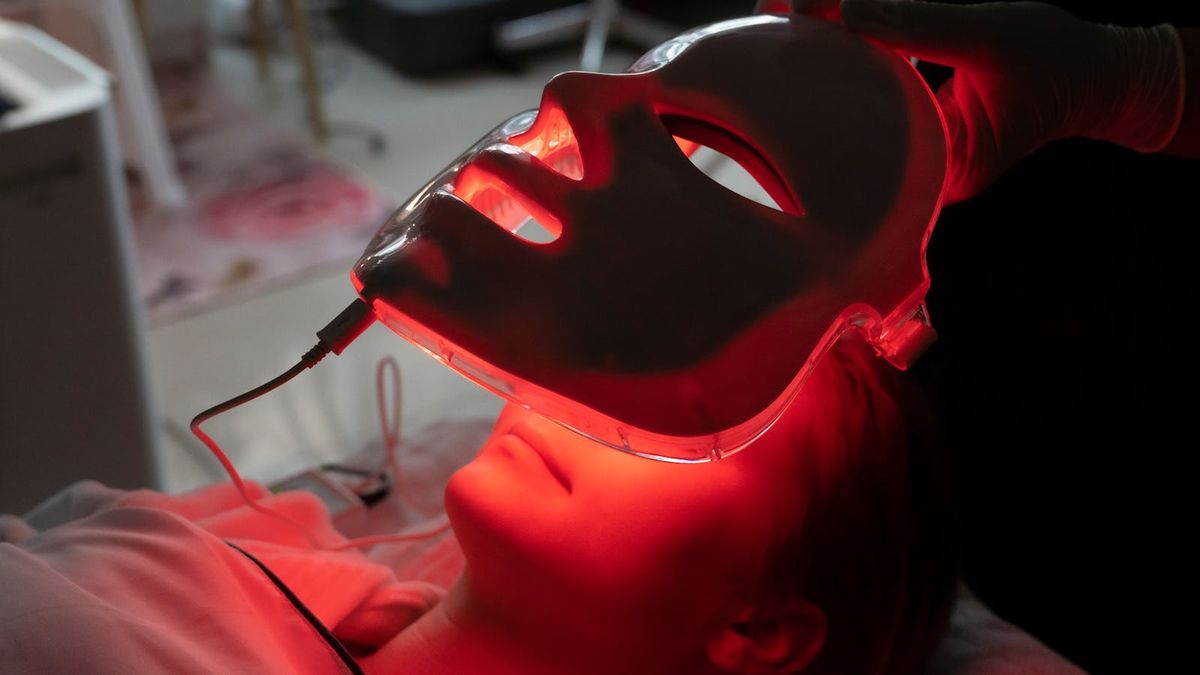
Red light therapy masks have become one of the biggest beauty trends of the past few years. Once reserved for dermatology clinics, they are now part of many at-home skincare routines and are frequently recommended by celebrities, skincare experts and beauty editors.
But are they simply another expensive beauty gadget, or is there real science behind the glowing red light?
More Than Just a Pretty Light
Unlike lasers or intense light treatments, LED masks don’t work by damaging the skin to trigger repair. Instead, they use low-level red light that reaches beneath the surface and interacts with your skin cells.
Scientists believe this light stimulates the mitochondria – often called the “power plants” of the cell. When mitochondria produce energy more efficiently, skin cells may also perform their natural repair processes more effectively.
This process is known as photobiomodulation, and it has been studied in medicine for years, long before LED masks became popular in the beauty industry.
Why Red Light?
Not all light behaves the same way.
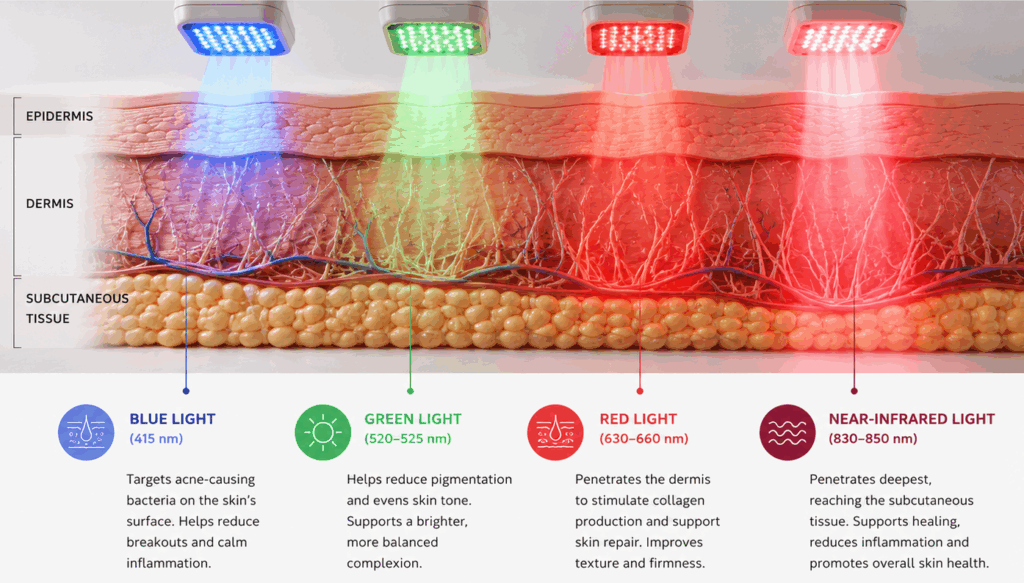
Different colours travel to different depths within the skin and are used for different purposes.
- Red light is mainly associated with collagen production and skin repair.
- Blue light is commonly used to target acne-causing bacteria.
- Near-infrared light penetrates even deeper and is often combined with red LEDs in premium devices.
The colour isn’t chosen because it looks appealing—it determines how deeply the light can interact with the skin.
What Can You Realistically Expect?
This is where expectations matter.
A red light therapy mask won’t erase deep wrinkles after a week, replace professional laser treatments or make you look ten years younger overnight.
What research does suggest is much more realistic. With regular use over several weeks or months, some people notice smoother-looking skin, softer fine lines, improved skin texture, less visible redness and a healthier overall glow.
The keyword here is consistency. Like exercise, the benefits usually come from regular use rather than a single session.
Why Are Some Masks So Expensive?
At first glance, many LED masks look almost identical.
In reality, they can differ significantly.
The biggest differences usually come down to:
- the wavelengths they use;
- the number of LED lights;
- the amount of energy delivered to the skin;
- build quality;
- whether the technology has been evaluated in clinical studies.
That’s why prices can range from under €100 to well over €500.
Are They Worth It?
For people looking for dramatic, instant results, probably not.
For those who already follow a good skincare routine and understand that healthier skin is built over time, a quality LED mask can be a useful addition.
It’s important to remember that no device can replace the basics. Daily sunscreen, gentle cleansing, moisturising and evidence-based ingredients remain the foundation of healthy skin.
Red light therapy isn’t magic—but it isn’t a myth either.
The science behind it is real, although the results are often more subtle than social media might suggest. Used consistently and with realistic expectations, LED masks can become another useful tool in a well-balanced skincare routine rather than a miracle solution on their own.
If you’re interested in how major beauty companies are bringing this technology into consumers’ homes, you may also enjoy our article about L’Oréal’s latest LED skincare innovation.