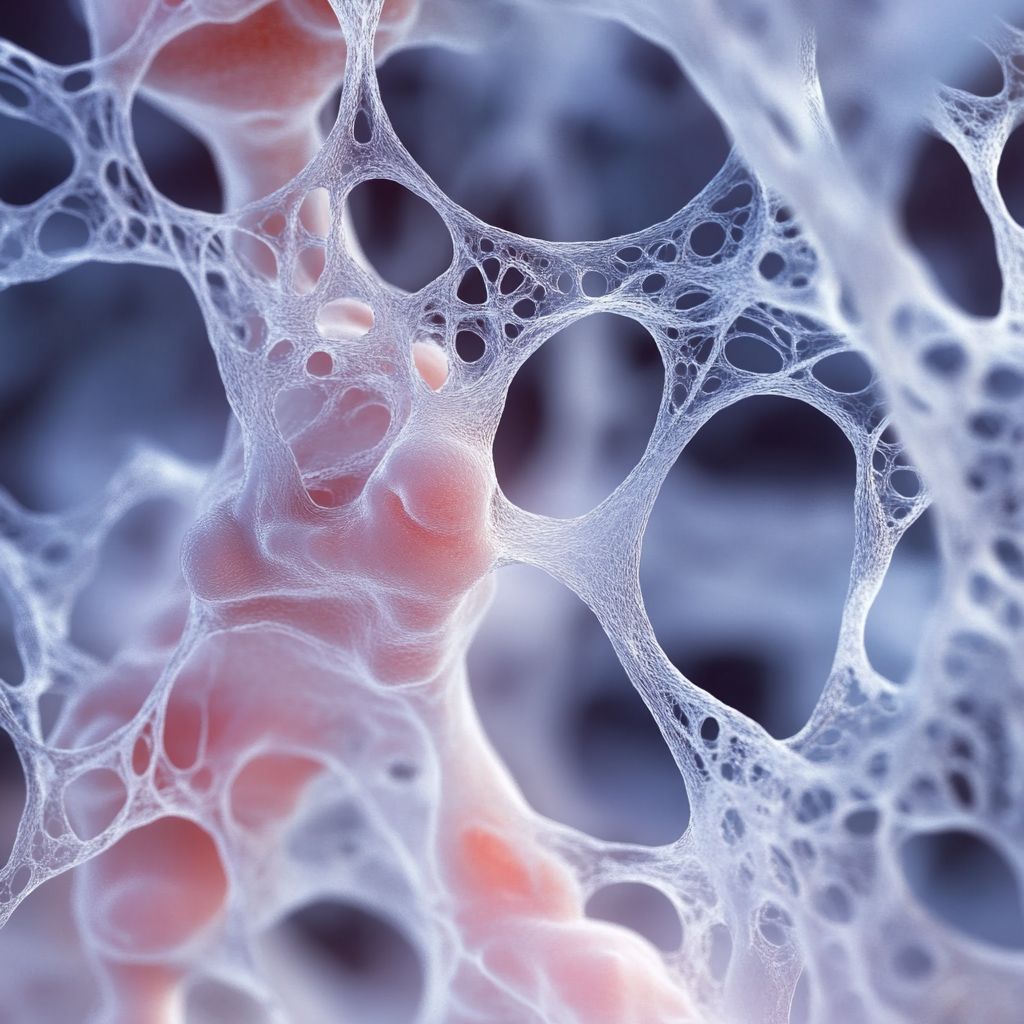
Collagen is often described as the structural foundation of the skin. It provides firmness, elasticity and the smooth appearance associated with youthful skin. Yet despite its importance, collagen is not a permanent component. Over time, it gradually breaks down, leading to visible changes in skin texture and firmness.
Understanding how and why this happens reveals much about the biology of skin aging.
What Exactly Is Collagen?
Collagen is the most abundant protein in the human body. In the skin, it forms a dense network of fibers within the dermis, the deeper layer beneath the surface.
These fibers act like a supportive framework, helping the skin maintain its shape and resilience. When collagen levels are high, skin appears firm, smooth and elastic.
However, collagen is constantly being produced and degraded in a natural cycle.
The Natural Collagen Cycle
Throughout life, the body continuously breaks down old collagen fibers and replaces them with newly produced ones. In young skin, this process is balanced and efficient.
Up until the early twenties, collagen production is strong enough to keep the skin structure stable. After that point, however, production gradually slows.
Research suggests that collagen levels may decline by approximately 1% per year starting in the mid-twenties. Over time, this slow reduction becomes visible through changes in skin firmness and texture.
The Role of Sun Exposure
One of the biggest factors in collagen breakdown is ultraviolet (UV) radiation.
When skin is exposed to sunlight, UV rays penetrate the dermis and trigger enzymes known as matrix metalloproteinases (MMPs). These enzymes break down collagen fibers in the skin.
Repeated exposure can accelerate this process significantly, which is why sun damage is strongly associated with premature skin aging.
This phenomenon is often referred to as photoaging.
How Lifestyle Influences Collagen
Collagen breakdown is also influenced by several lifestyle factors.
Smoking, for example, reduces blood flow to the skin and interferes with collagen synthesis. At the same time, tobacco smoke generates oxidative stress, which further damages existing collagen fibers.
Diet can also play a role. High sugar intake may contribute to a process known as glycation, in which sugar molecules attach to collagen proteins, making them stiff and less flexible.
Over time, these structural changes can affect the overall appearance of the skin.
Structural Changes in Aging Skin
As collagen declines, the skin’s internal support system gradually weakens. Collagen fibers become thinner and less organized, while elastin — another important structural protein — also begins to degrade.
These changes contribute to several visible effects:
- reduced firmness
- fine lines and wrinkles
- slower skin recovery
- loss of elasticity
Because collagen is deeply embedded in the dermis, these changes develop slowly over many years.
Why Collagen Remains Central to Modern Skincare
Although collagen loss is a natural biological process, it remains a key focus of dermatological research and cosmetic development.
Many skincare products aim to support the skin’s structure through ingredients that promote hydration, protect against environmental stress or stimulate cellular activity.
While topical products cannot simply replace lost collagen, they may help create conditions that support healthier skin over time.
A Slow Biological Process
Collagen breakdown is not a sudden event but a gradual transformation that unfolds across decades. Genetics, environmental exposure and lifestyle all influence how quickly these changes occur.
Ultimately, understanding collagen’s role in skin structure helps explain why maintaining skin health is a long-term process rather than a quick fix.
The Most Unusual Skincare Ingredients Ever Used in History