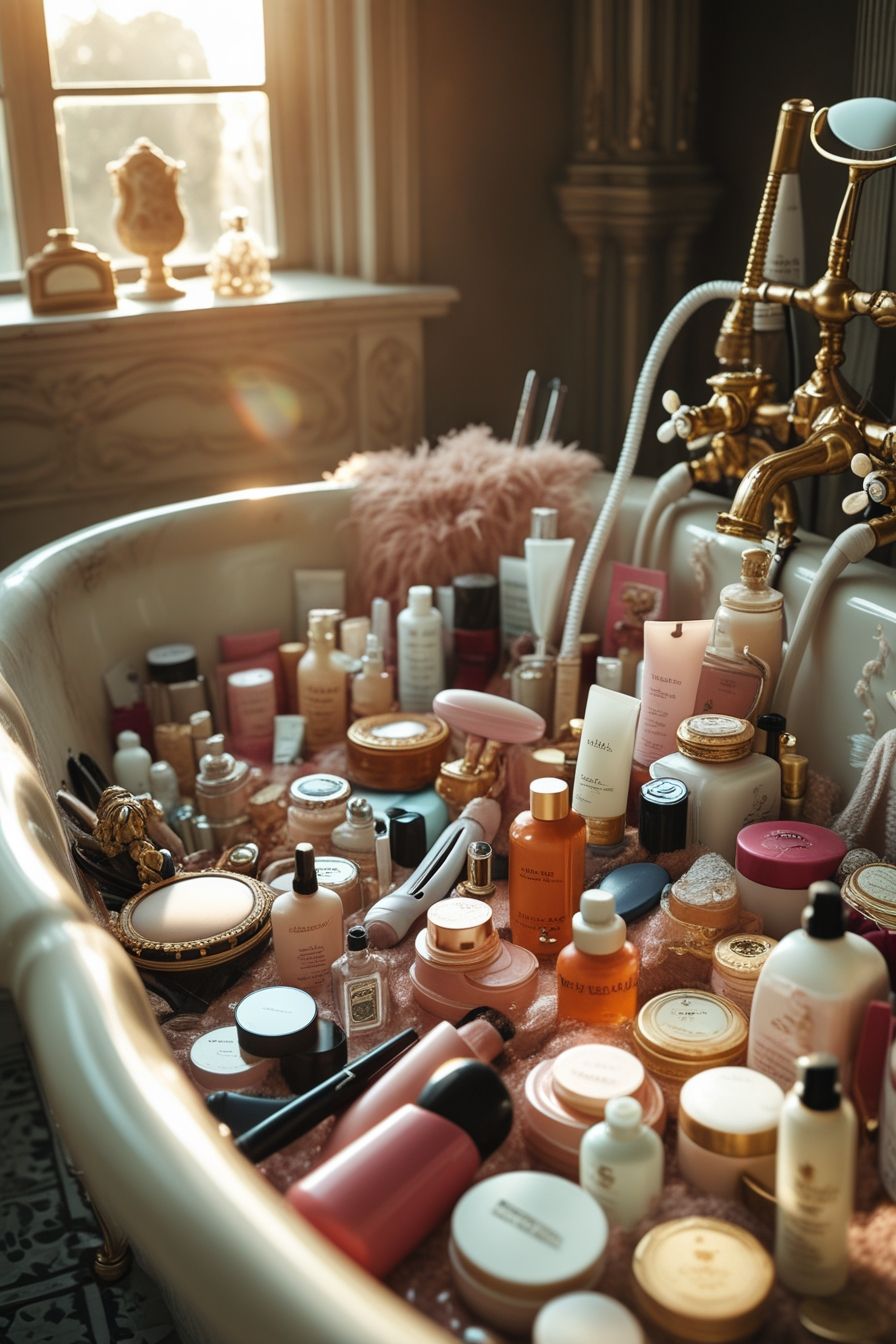
For years, the beauty industry seemed obsessed with the new: new actives, new brands, new technology. Start-ups and digitally native labels dominated headlines, promising disruptive innovation and modern aesthetics.
Yet something interesting is happening.
Across global markets, heritage beauty brands — some more than a century old — are experiencing renewed relevance. Rather than fading into nostalgia, many of these companies are repositioning their history as a strategic advantage.
In a market saturated with novelty, heritage has become a form of credibility.
Heritage as a Competitive Asset
In the past decade, consumers have become increasingly ingredient-literate and skeptical of marketing claims. Against this backdrop, brands with long histories can offer something relatively rare in beauty: continuity and trust.
Unlike newly launched labels, heritage brands are able to reference decades of formulation experience and cultural presence. This gives them a narrative that newer competitors often lack.
The revival of these brands is not accidental. It is often the result of careful repositioning.
Case Study: Elizabeth Arden and the Enduring Power of an Icon
Founded in 1910, Elizabeth Arden is one of the most recognizable heritage brands in beauty. Yet its continued relevance today is largely tied to a single product: Eight Hour Cream.
Originally created in the 1930s, the product has become a cult classic, often described as a “multi-purpose skin protectant.” Instead of replacing the formula with trend-driven alternatives, the brand has repeatedly reframed the product for new generations, emphasizing versatility and skin barrier support.
The strategy works because it merges heritage storytelling with modern skincare language.
Case Study: Nivea — A Global Symbol of Consistency
Few products illustrate heritage branding better than the iconic blue tin of Nivea.
First introduced in 1911, Nivea Cream remains one of the most widely recognized skincare products in the world. While the brand has expanded into numerous categories — from body care to sun protection — the original cream still anchors its identity.
Rather than abandoning its legacy product, the company has positioned it as a symbol of universal, generational skincare. The strategy relies less on novelty and more on emotional familiarity.
In a market crowded with high-tech claims, simplicity itself becomes a differentiator.
Case Study: Shiseido — Tradition Meets Advanced R&D
Heritage does not necessarily mean resisting innovation.
Japanese beauty house Shiseido, founded in 1872, represents one of the most successful examples of combining tradition with advanced scientific research.
The brand frequently references its historical roots in Japanese aesthetics while simultaneously investing heavily in biotechnology and dermatological research.
This dual positioning allows Shiseido to occupy a unique space: both culturally authentic and technologically advanced.
Case Study: Yardley London and the Revival of Classic Fragrance Heritage
Another example of heritage repositioning can be seen in Yardley London, a British fragrance brand established in the 18th century.
Once associated mainly with traditional English lavender soaps and perfumes, the brand has recently undergone visual updates and product expansion aimed at younger audiences.
While maintaining its historic identity, Yardley has modernized packaging and introduced contemporary product formats, demonstrating how heritage brands can remain relevant without abandoning their past.
Why Heritage Matters Now
The renewed visibility of these brands reflects broader shifts in consumer psychology.
In an industry often driven by rapid trend cycles, heritage brands offer:
- stability in an otherwise volatile market
- recognizable identity in an overcrowded landscape
- authentic storytelling rooted in history
Importantly, heritage is not replacing innovation. Instead, it is becoming a complementary form of brand value.
Consumers increasingly respond to brands that combine modern science with a credible past.
A Different Kind of Luxury
The resurgence of heritage brands also suggests a subtle shift in how luxury is defined in beauty.
For decades, luxury meant exclusivity, cutting-edge ingredients, or premium pricing. Today, however, heritage itself can function as a form of prestige.
Longevity signals reliability.
And in an industry constantly chasing the next breakthrough, history may be one of the most powerful differentiators of all.
How Private Label Is Challenging Global Skincare Giants?