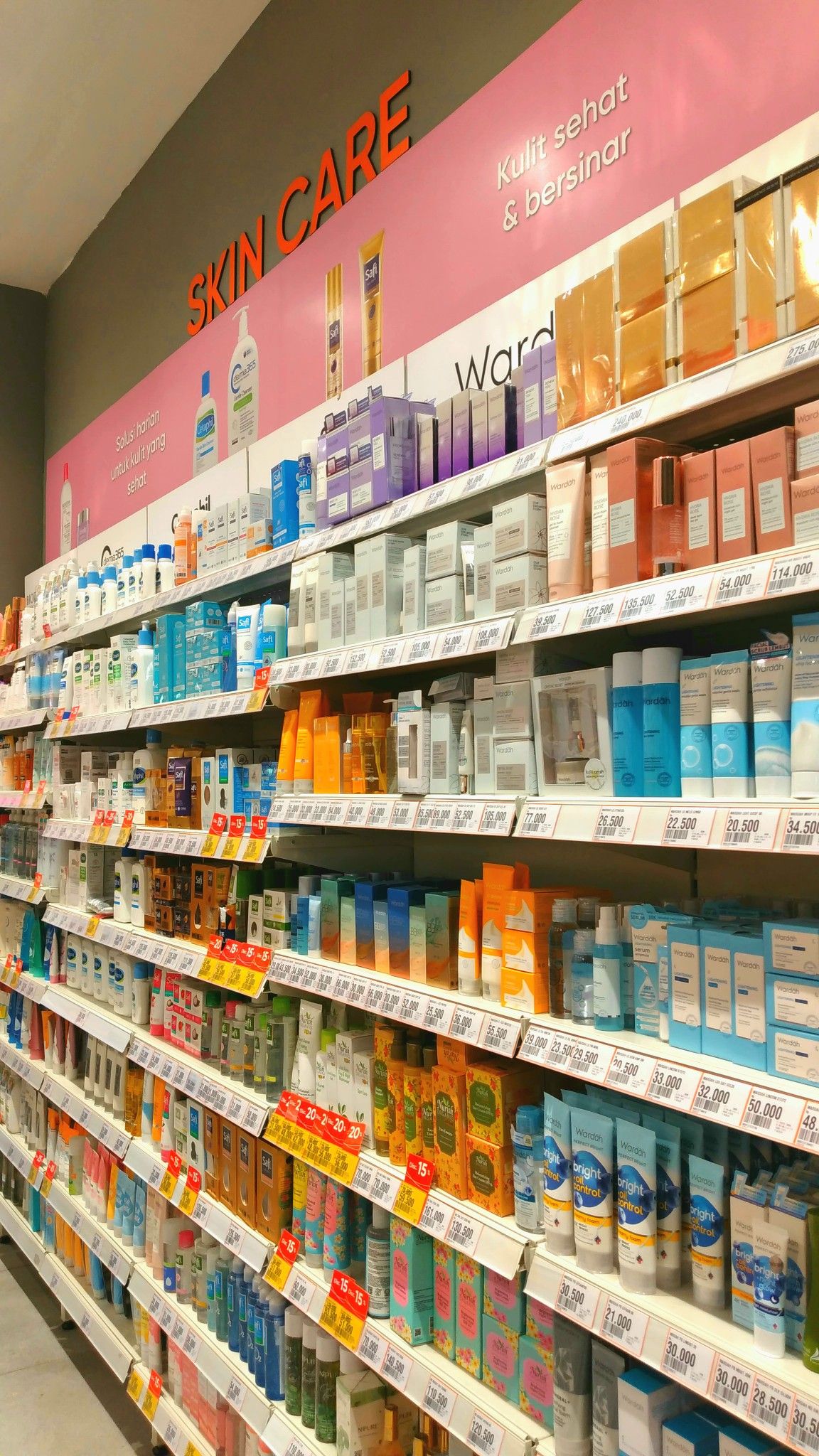
For decades, the hierarchy in skincare was clear.
Global beauty houses formulated.
Retailers distributed.
Consumers followed.
That structure is quietly changing.
Private label — once dismissed as a budget alternative — is evolving into a strategic force capable of challenging even the most established skincare brands. And while the shift is not yet dramatic, it is structural.
From Price Substitute to Category Player
Twenty years ago, private label skincare served a predictable purpose: offer a lower-priced alternative to branded products.
Packaging was generic.
Marketing was minimal.
Innovation was limited.
Today, however, the landscape looks markedly different.
Retailers are investing in:
- Clean-label positioning
- Dermatologically tested formulations
- Ingredient-led communication
- Sustainable packaging systems
In some markets, private label serums now feature niacinamide, peptides, and ceramide complexes — ingredients once reserved for mid-tier or premium brands.
The question is no longer whether private label can replicate basic formulas.
The question is whether it can compete on perceived expertise.
Margin, Data, and Control
The transformation is not only cosmetic — it is economic.
Retailers increasingly seek higher margins and greater control over their assortments. Private label allows them to:
- Capture a larger share of profit per unit
- Reduce dependency on multinational suppliers
- React faster to consumer trends
- Leverage first-party data for product development
In an era where consumer data is strategic currency, this advantage cannot be underestimated.
While global beauty conglomerates still dominate R&D scale, retailers now possess something equally powerful: proximity to purchasing behavior.
The Erosion of Brand Loyalty
At the same time, consumer behavior is shifting.
Ingredient literacy has increased. Shoppers compare INCI lists. Social platforms amplify “dupe culture.” Price sensitivity has intensified across European markets.
As a result, the emotional premium attached to heritage brands is less automatic than it once was.
When a private label product offers similar visible results at a lower price point, the brand narrative must work harder to justify the gap.
This does not mean luxury is disappearing. However, it does mean that brand equity alone is no longer sufficient.
Are Global Giants Under Pressure?
Major beauty groups continue to innovate aggressively, investing in biotechnology partnerships, patented ingredients, and longevity science. These advancements create meaningful differentiation.
Yet private label does not aim to replicate breakthrough science. Instead, it competes in the space of “good enough” performance — and for many consumers, that threshold is sufficient.
The provocation is clear:
If consumers perceive 80% of the benefit at 50% of the cost, how resilient is brand prestige?
Global brands must therefore answer with more than marketing campaigns. They must justify their price architecture through:
- Demonstrable innovation
- Transparent clinical validation
- Clear positioning beyond commodity ingredients
Otherwise, the gap narrows.
A Structural, Not Temporary, Shift
Private label growth is not a short-term inflation response. It reflects a broader recalibration of power within the beauty value chain.
Retailers are no longer passive distributors.
They are becoming brand architects.
This does not signal the decline of global skincare giants. However, it does indicate a redistribution of influence.
In the coming years, the competitive advantage may not lie solely in who formulates the most advanced serum — but in who controls the consumer relationship.
And that balance is shifting.
Read More: Making Cosmetics & in-Vitality 2025