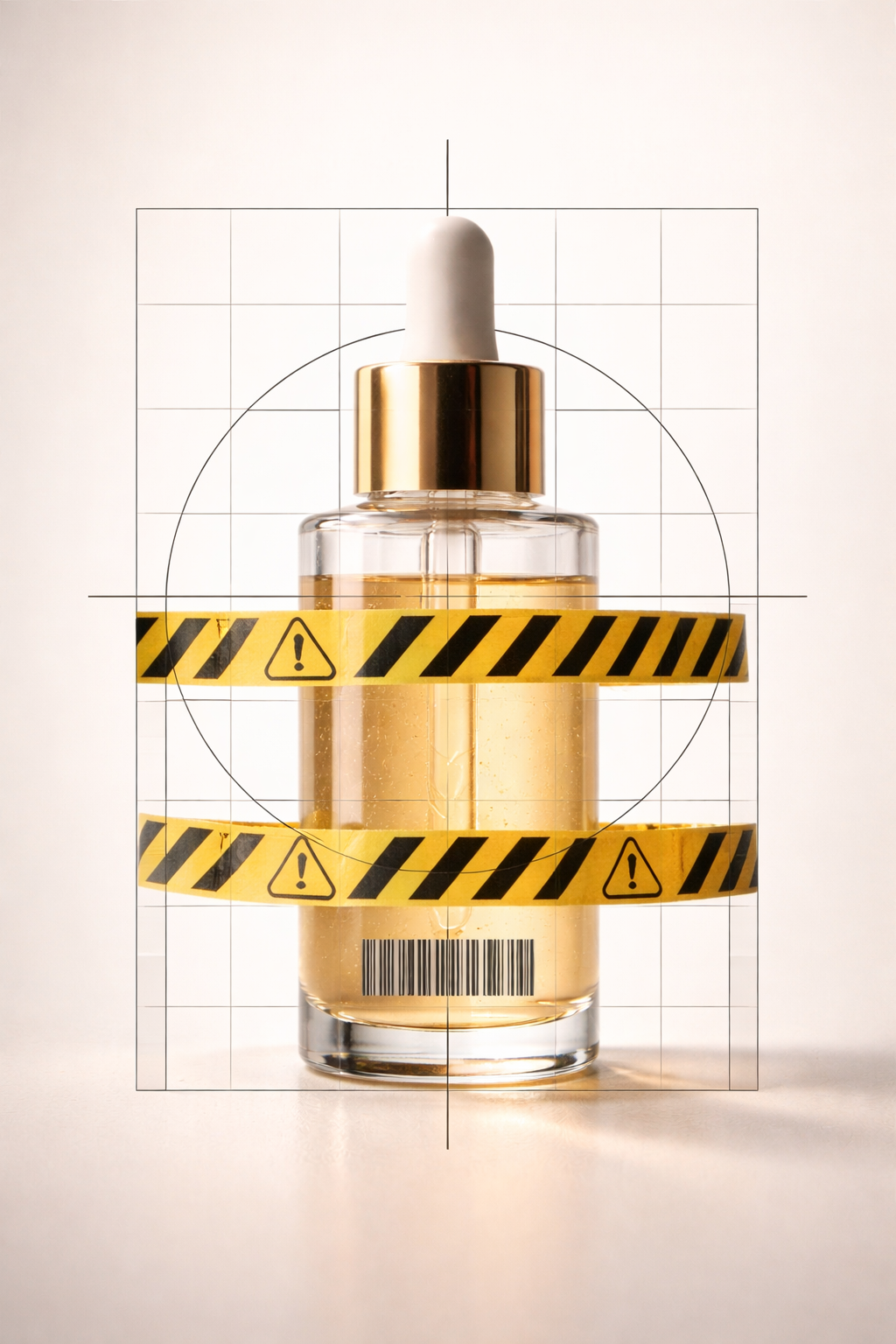
China’s beauty industry has long been seen as one of the fastest-growing in the world. From luxury skincare to aesthetic procedures, the country has become a global laboratory for new beauty trends. But in recent months, a different story has started to unfold.
Chinese authorities have launched a major crackdown on illegal cosmetic procedures, fake products, and misleading beauty advertising. The move signals a turning point not only for China’s beauty market, but also for the global cosmetic industry.
A booming industry with growing risks
Over the past decade, China’s beauty and aesthetic market has expanded at an unprecedented speed. Millions of consumers, driven by social media and celebrity culture, have turned to cosmetic treatments, injectables, and advanced skincare solutions.
However, this rapid growth has created a parallel shadow industry.
Unlicensed clinics, counterfeit products, and unqualified practitioners have become widespread. According to Chinese regulators, the number of unsafe procedures and consumer complaints has risen sharply.
What was once seen as a symbol of progress and innovation is now being viewed as a potential public health risk.
The government steps in
In response, Chinese authorities have introduced stricter rules for the cosmetic and aesthetic sector. These include tighter licensing requirements, stronger control over advertising claims, and increased monitoring of online platforms.
Social media companies have also been pressured to remove accounts that promote unsafe or illegal beauty services. Thousands of posts and profiles have already been taken down.
The message from regulators is clear: beauty can no longer operate without accountability.
Social media: fuel and threat
One of the key drivers behind the crackdown is the role of social media.
Platforms like TikTok, Xiaohongshu, and Instagram equivalents in China have transformed beauty into a form of digital performance. Influencers frequently promote dramatic “before and after” transformations, often without disclosing risks or medical realities.
This has created unrealistic expectations and pushed younger audiences toward aggressive aesthetic interventions.
For regulators, the line between inspiration and misinformation has become dangerously thin.
What this means for the global beauty industry
China’s crackdown is not just a local story. It reflects a broader global shift.
Around the world, governments are starting to question the power of the beauty industry. From stricter rules on cosmetic ingredients in Europe to debates about TikTok skincare trends in the US, regulators are increasingly challenging the idea that beauty should remain loosely controlled.
China, however, is taking one of the most radical steps so far.
For global brands, this could signal a new era. Companies operating in China may face tighter scrutiny, while international consumers may become more skeptical of bold beauty claims.
Beauty at a crossroads
The situation in China highlights a fundamental tension in modern beauty culture.
On one hand, the industry thrives on innovation, aspiration, and transformation.
On the other, it must confront issues of safety, ethics, and responsibility.
China’s intervention suggests that the era of unchecked beauty growth may be coming to an end. What replaces it could be a more regulated, transparent, and medically grounded beauty industry.
Whether this shift will strengthen consumer trust or slow down innovation remains an open question.
But one thing is certain: the global beauty industry is entering a new phase — where beauty is no longer just about desire, but also about control.
Exosomes in Skincare
It’s great that someone is talking about this topic, keep it up