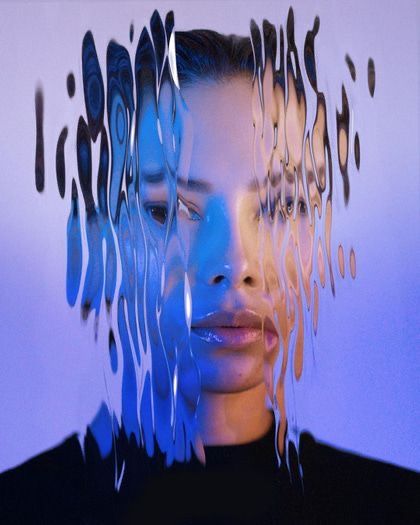
As the year winds down, beauty doesn’t hit pause — it recalibrates. Without official announcements or dramatic exits, certain habits, products, and narratives simply start to fade. Not because they failed, but because the industry — and its audience — is quietly moving on.
This end-of-year reset isn’t about trends disappearing overnight. It’s about noticing what no longer feels essential.
The Era of Constant Skincare Experimentation
For a while, trying something new every week felt like engagement. Skin cycling schedules, rotating actives, and endlessly switching routines were framed as progress. By the end of this year, that excitement clearly cooled.
Consumers aren’t less curious — they’re more selective. The idea that skin needs constant stimulation is losing credibility, replaced by a preference for routines that feel stable, predictable, and easy to maintain.
What’s being left behind isn’t innovation, but overstimulation.
Loud Beauty Claims
The language of beauty has softened. Dramatic promises and bold, urgent claims feel increasingly out of step with how people actually experience their skin. Phrases that once dominated campaigns now sound exaggerated, even exhausting.
Brands are adjusting accordingly. Messaging is becoming calmer, more explanatory, and less performative. The shift isn’t subtle if you know where to look — it’s simply quieter than before.
Urgency is no longer persuasive by default.
Overly Long Product Lists
More products used to signal dedication. Now, it often signals confusion.
By the end of the year, pared-down routines have become less of a trend and more of a baseline expectation. Consumers want clarity — what does this product do, and why is it here?
Excess is being replaced by intention, not restriction.
Fear-Based Skincare Narratives
Alarmist language still exists, but its influence is weakening. Consumers are less responsive to blanket ingredient warnings and more interested in understanding formulation, context, and function.
The reset here isn’t about ignoring safety — it’s about rejecting unnecessary anxiety. Education is beginning to replace reassurance, and trust is slowly shifting from claims to transparency.
The Idea That Skin Should Always Look “On”
Perhaps the most noticeable shift is visual. Skin is no longer expected to perform constantly — online, in campaigns, or in daily life. The pressure to look flawless, glowing, and optimized at all times feels increasingly outdated.
Texture, variability, and imperfection are no longer framed as failures. They’re becoming part of the aesthetic, not something to correct away.
What This Reset Signals Going Forward
This end-of-year reset doesn’t point to less ambition in beauty — it points to a different kind of ambition. One that values sustainability over intensity, clarity over excess, and comfort over constant correction.
What’s being left behind isn’t beauty itself, but the parts of it that no longer serve how people want to care for their skin.
And that shift, unlike a trend, isn’t temporary.