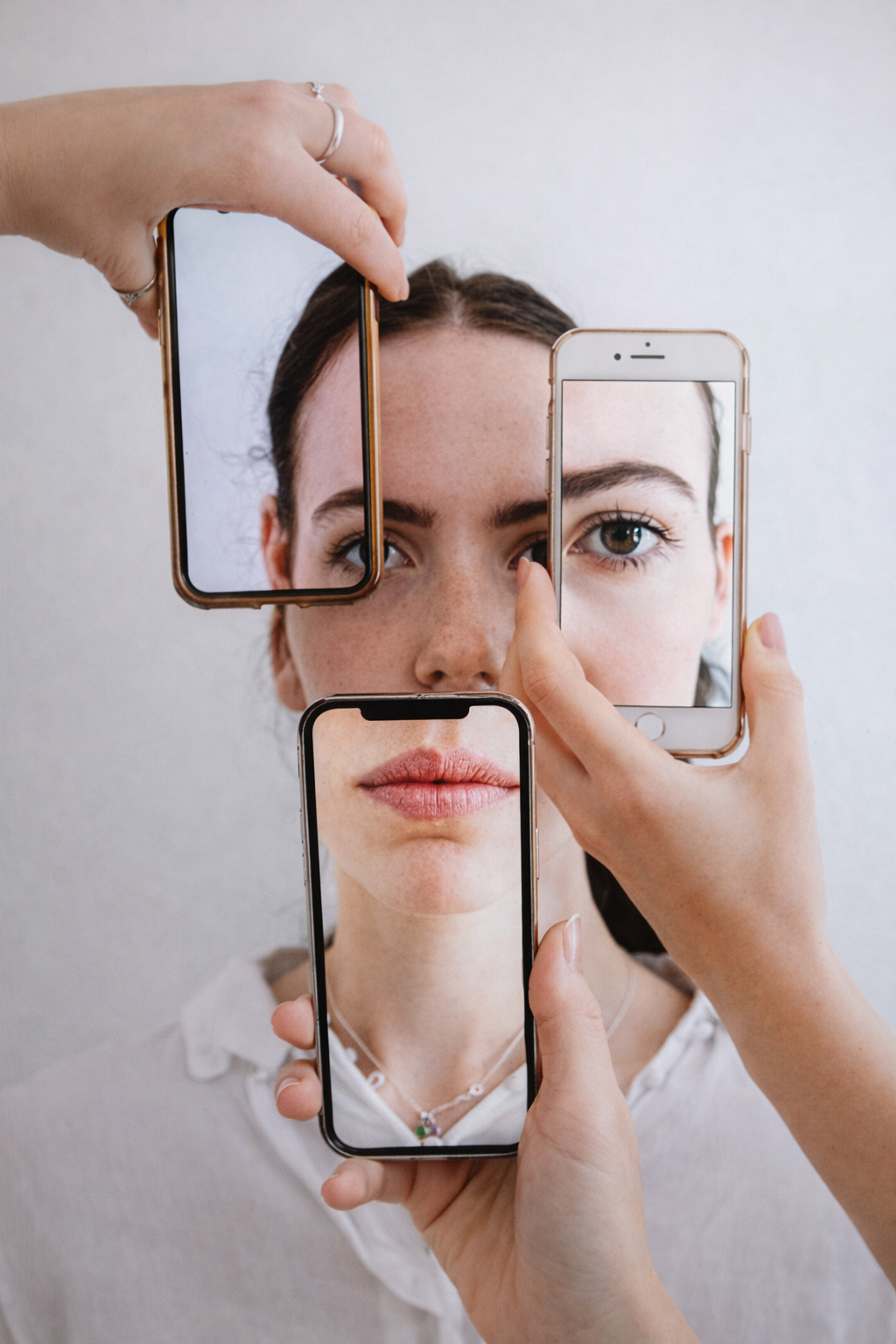
For years, skincare marketing promised perfection. Poreless texture, glass-like shine, flawless tone — an ideal that felt increasingly distant from real skin. Today, something has shifted. Quietly but decisively, the beauty industry is moving away from the idea of “perfect skin.”
What’s replacing it is not neglect or carelessness, but a more realistic understanding of what healthy skin actually looks like.
How “Perfect Skin” Became the Goal
The obsession with perfection didn’t begin with skincare itself, but with how skin was presented. Filters, retouching, and carefully curated routines created an illusion that skin should look smooth, even, and unchanged by life.
Skincare became corrective. Products were framed as solutions to “fix” texture, pores, redness, and signs of aging. Any visible imperfection was treated as a flaw rather than a natural function of skin.
Over time, this approach created unrealistic expectations — and frustration when real skin didn’t comply.
Why the Narrative Is Changing
The shift away from perfect skin is not a trend; it’s a response. Consumers are more educated, more skeptical, and more aware of how skin behaves under stress, hormones, climate, and lifestyle changes.
There’s also a growing understanding that overcorrection can backfire. Aggressive routines, constant exfoliation, and chasing visible perfection often lead to sensitivity, barrier damage, and long-term imbalance.
Instead of flawless skin, people are starting to value calm skin.
Texture Is Not a Problem to Solve
One of the most important changes in skincare discourse is how texture is viewed. Visible pores, fine lines, and unevenness are no longer automatically framed as issues.
Texture is evidence of living skin — skin that stretches, heals, reacts, and adapts. When skincare stops trying to erase these signs, it becomes less about control and more about support.
This doesn’t mean abandoning skincare goals, but redefining them. Healthy skin doesn’t need to look untouched. It needs to function well.
From Correction to Care
As the idea of perfect skin loses relevance, skincare routines are becoming gentler and more intentional. The focus is shifting from constant correction to long-term care.
Hydration, barrier support, comfort, and resilience are gaining importance over dramatic transformations. Products that calm and protect are replacing those that promise instant visible change.
This approach reflects a broader cultural movement — one that values sustainability, patience, and self-awareness over quick fixes.
What This Means for the Future of Skincare
The end of perfect skin doesn’t signal lower standards. It signals better ones.
Skincare is becoming less about appearance alone and more about how skin feels, responds, and ages over time. Brands are adjusting their messaging, professionals are refining their recommendations, and consumers are learning to listen to their skin rather than constantly trying to correct it.
In this new landscape, healthy skin is not defined by flawlessness — but by balance.
The difference between Dehydrated and Dry skin