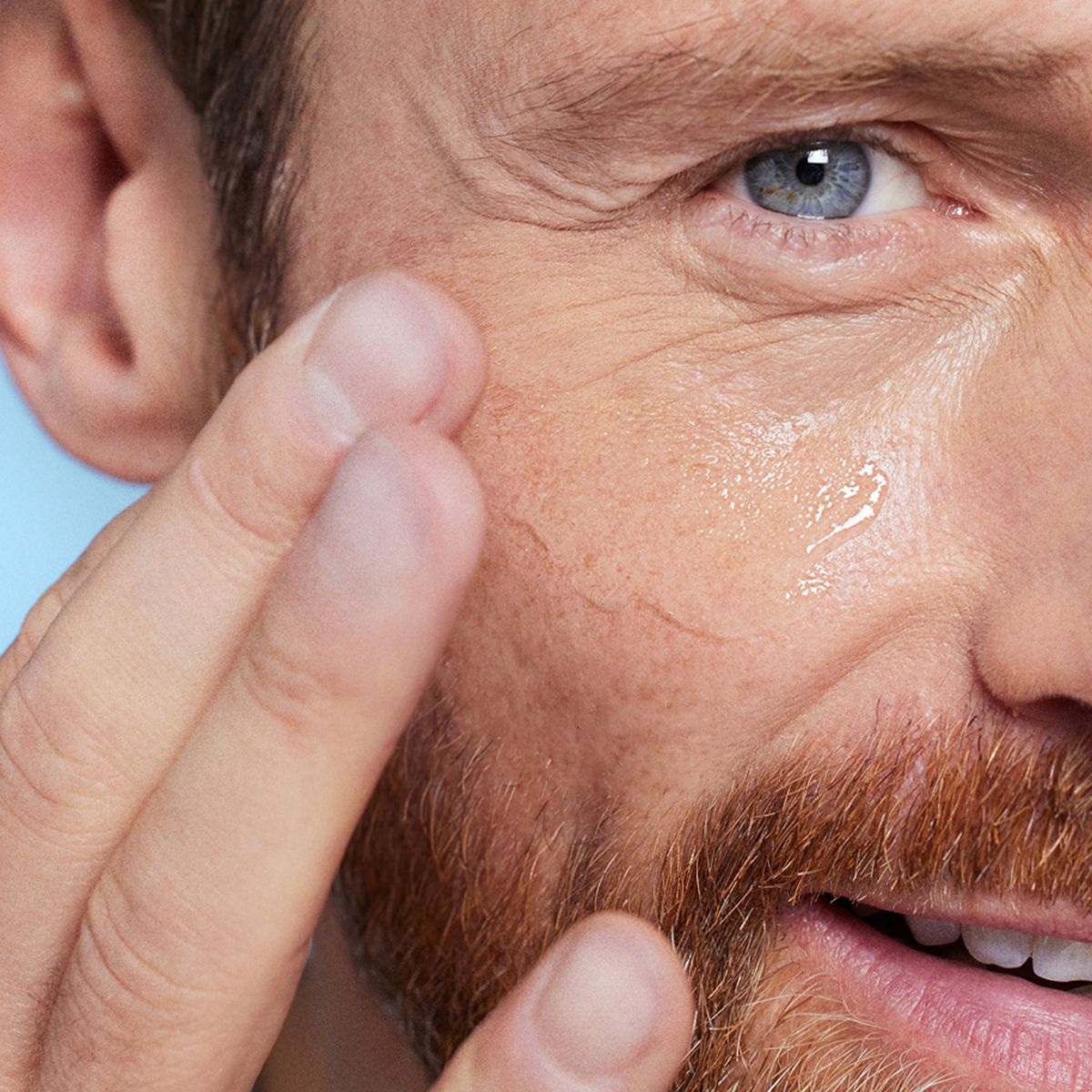
Men and women don’t just experience aging differently emotionally — their skin follows a different biological path. While men often appear to age more slowly in early adulthood, visible signs of aging tend to show up later and progress faster. This pattern isn’t random. It’s driven by hormones, skin structure, and lifestyle habits.
Understanding these differences makes it easier to choose skincare that actually works — instead of relying on products that feel unnecessary or overly complicated.
Thicker Skin, More Collagen — At First
Men’s skin is naturally thicker and denser than women’s, mainly due to higher testosterone levels. In younger years, this means higher collagen content and a firmer appearance. Fine lines often appear later, and the skin can tolerate environmental stress better.
This is why many men don’t feel the need for skincare in their 20s or early 30s.
But this advantage comes with a trade-off.
A Faster Decline Later On
Unlike women, who lose collagen gradually over time, men experience a sharper decline later in life. When collagen loss begins, it tends to accelerate quickly. Wrinkles deepen, facial contours soften, and the skin can suddenly look rougher or more fatigued.
At this stage, “doing nothing” is no longer a neutral choice — it actively speeds up visible aging.
Oilier Skin Doesn’t Mean Protected Skin
Men generally produce more sebum, which can delay dryness-related wrinkles. However, excess oil doesn’t protect against aging. In fact, it often contributes to enlarged pores, inflammation, and uneven texture.
Low-grade, chronic inflammation — caused by shaving, sweat, pollution, and UV exposure — plays a major role in premature aging beneath the surface.
Shaving: Daily Stress for the Skin
Shaving acts as a form of mechanical exfoliation. Done gently, it can keep the skin smooth. Done aggressively or without proper care, it disrupts the skin barrier, leading to micro-irritation and increased sensitivity.
Over time, this barrier stress makes the skin less resilient and more prone to redness, dryness, and accelerated aging.
Sun Exposure Is the Biggest Problem
Men are far less likely to use sunscreen daily — and this has a visible impact over time. UV radiation breaks down collagen, weakens skin structure, and increases pigmentation. The damage accumulates silently and becomes visible years later.
No anti-aging product can compensate for regular sun damage.
What Men’s Skin Actually Needs
Effective skincare for men doesn’t require complexity — it requires consistency and the right ingredients.
A gentle cleanser that removes oil, sweat, and pollution without stripping the skin is essential. Over-cleansing or using harsh foaming products only increases irritation and oil rebound.
Hydration matters even for oily skin. Lightweight moisturizers with glycerin, panthenol, ceramides, or niacinamide help maintain barrier strength and reduce inflammation without feeling heavy.
When it comes to anti-aging, retinoids remain one of the most effective tools — but they should be introduced slowly. Men’s skin may be thicker, but that doesn’t make it immune to irritation. Using retinoids a few nights per week is far more effective than overusing them and quitting.
Antioxidants such as vitamin C or niacinamide help counteract daily environmental damage and support a more even skin tone over time.
And finally, daily sunscreen is non-negotiable. Even the most resilient skin cannot defend itself against long-term UV exposure.
The Bottom Line
Men’s skin doesn’t age better — it ages differently. It stays firm for longer, then changes more dramatically when collagen loss accelerates. Oil production, shaving habits, and sun exposure all shape how this process unfolds.
The most effective approach isn’t aggressive treatment or overly complex routines. It’s understanding how men’s skin works and supporting it with simple, science-backed care.
Good skin isn’t about gender. It’s about giving the skin what it actually needs — consistently.
Read More about Collagen repair